
I must admit I didn’t hesitate when I heard about Sanober Dalal’s Parsi cooking class in her elegant home in Pune. Why would I miss the opportunity to learn authentic Parsi recipes first-hand from the lady herself ?
I was very excited when I read the menu, which seemed very extensive and intense and I relished the idea of so much hands-on work in one day.
Believe me, this class was vastly different from so many I have attended across the world. Sanober herself is warm and down to earth. She is a passionate home cook, who, surprise, surprise, published a cook book way back in 1995! She is a proper Pune Parsi, and it was great fun to hear her stories about local shops and grocers and connecting the dots around Camp area.
Three other ladies and I attended the class last week. We were given recipe sheets and Sanober ran through all of them with us, giving us a brief overview of the Parsi thought behind them: the history, the menu combinations and her preferred methods and masalas.
We then moved into her splendidly modern and ergonomically designed kitchen.
Sanober put us all to work, prepping vegetables, as she continued to talk to us and engage with us about food. The ice broke very fast and soon we were five women chatting away and cooking in harmony. It was a lovely feeling. There was nothing impersonal or ‘professional’ about this class. I felt I was being taught by an older friend who was enthusiastic about sharing everything she knew and passing on her passion for food. Isn’t that the best way to learn?
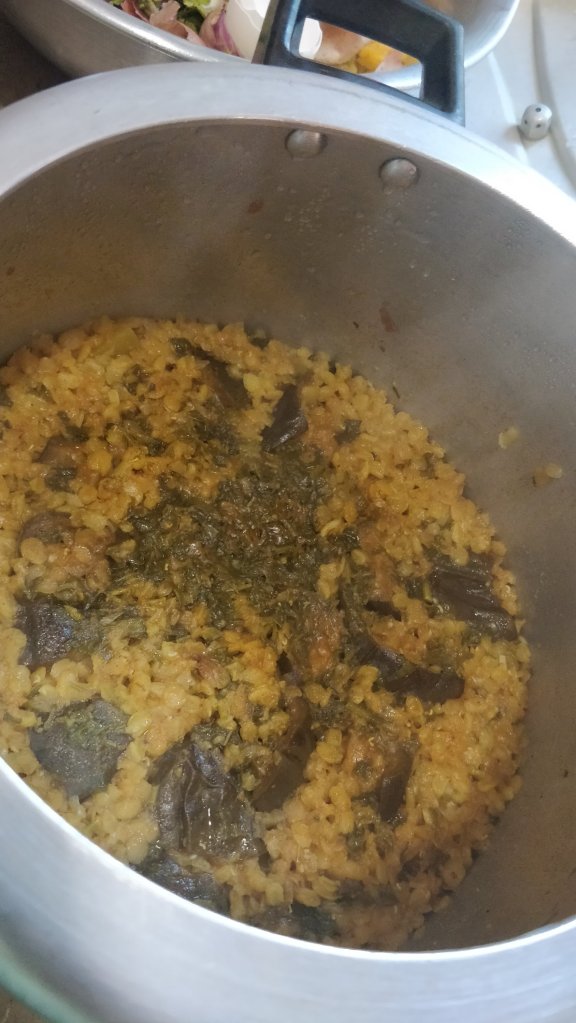
We began with the dhansak, which is actually food served during the mourning period to the family of the deceased. It is nourishing and filled with lentils and vegetables and meat, to sustain them in their time of grief. Dhansak has to be the most popular Parsi dish ever and few people realise that it is not a Sunday staple!
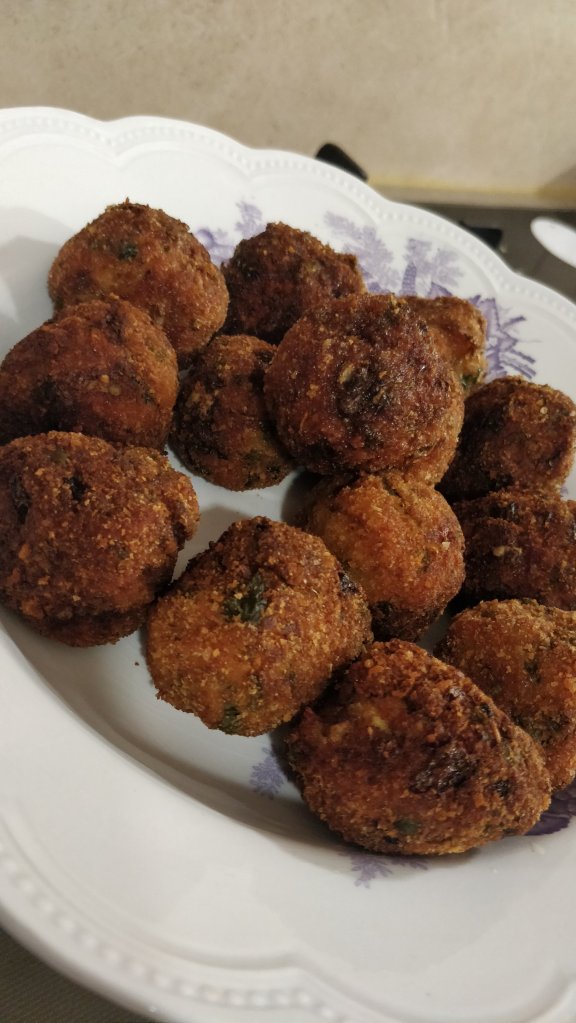
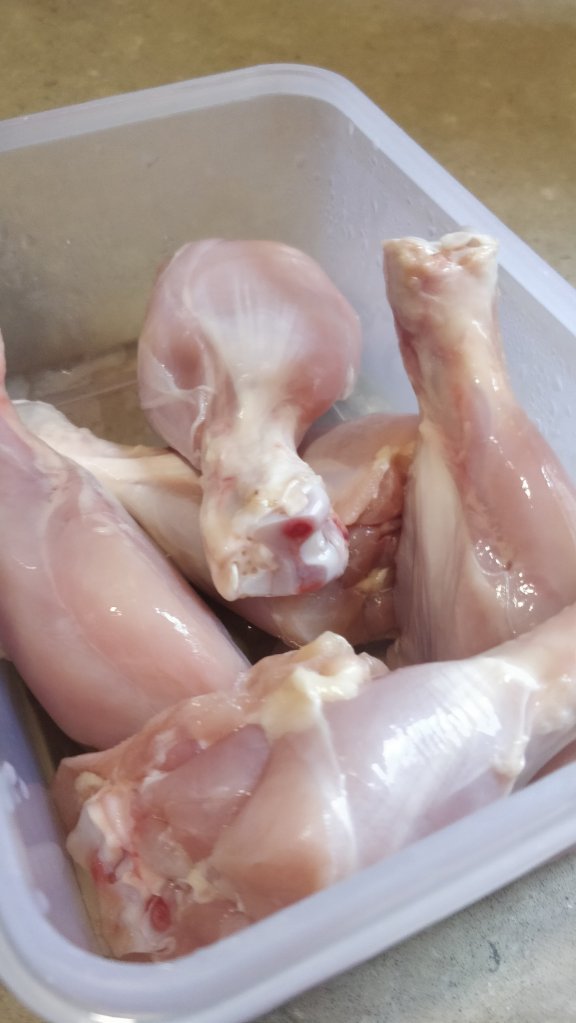
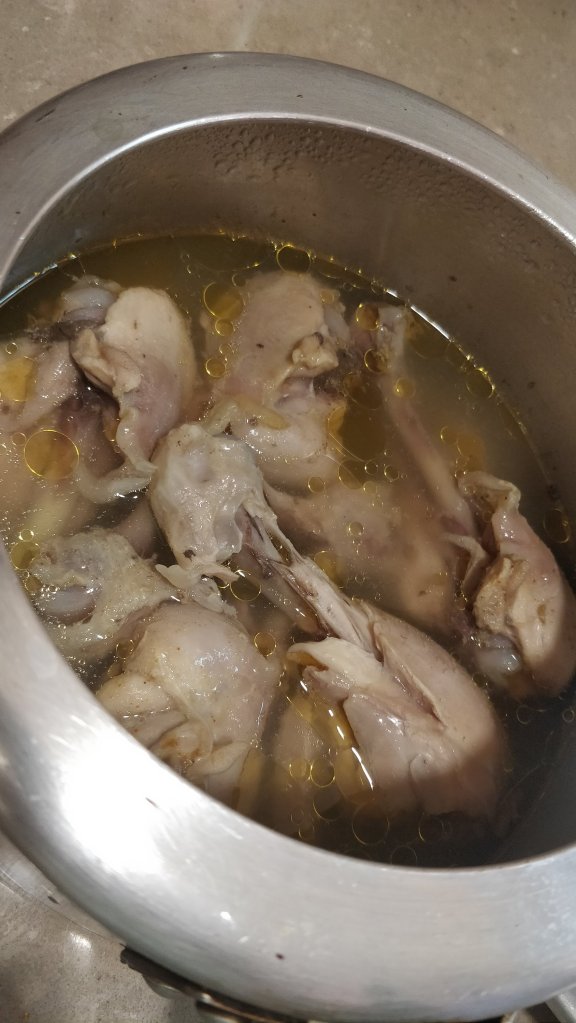
San is a dab hand at multi-tasking in the kitchen. She soon had two pressure cookers on at once, one for the meat ( she prefers using chicken legs and thighs, cooked separately in a little ginger garlic , and the stock is also used in the gravy), another for the lentils, while we prepped the vegetables. We also began the dhansak brown rice as we chopped onions and chillies and fresh, green coriander for the delicious chicken kababs that are traditionally served with dhansak. My mouth began to water just with the aromas of the ghee and frying onions and the simmering stew!!
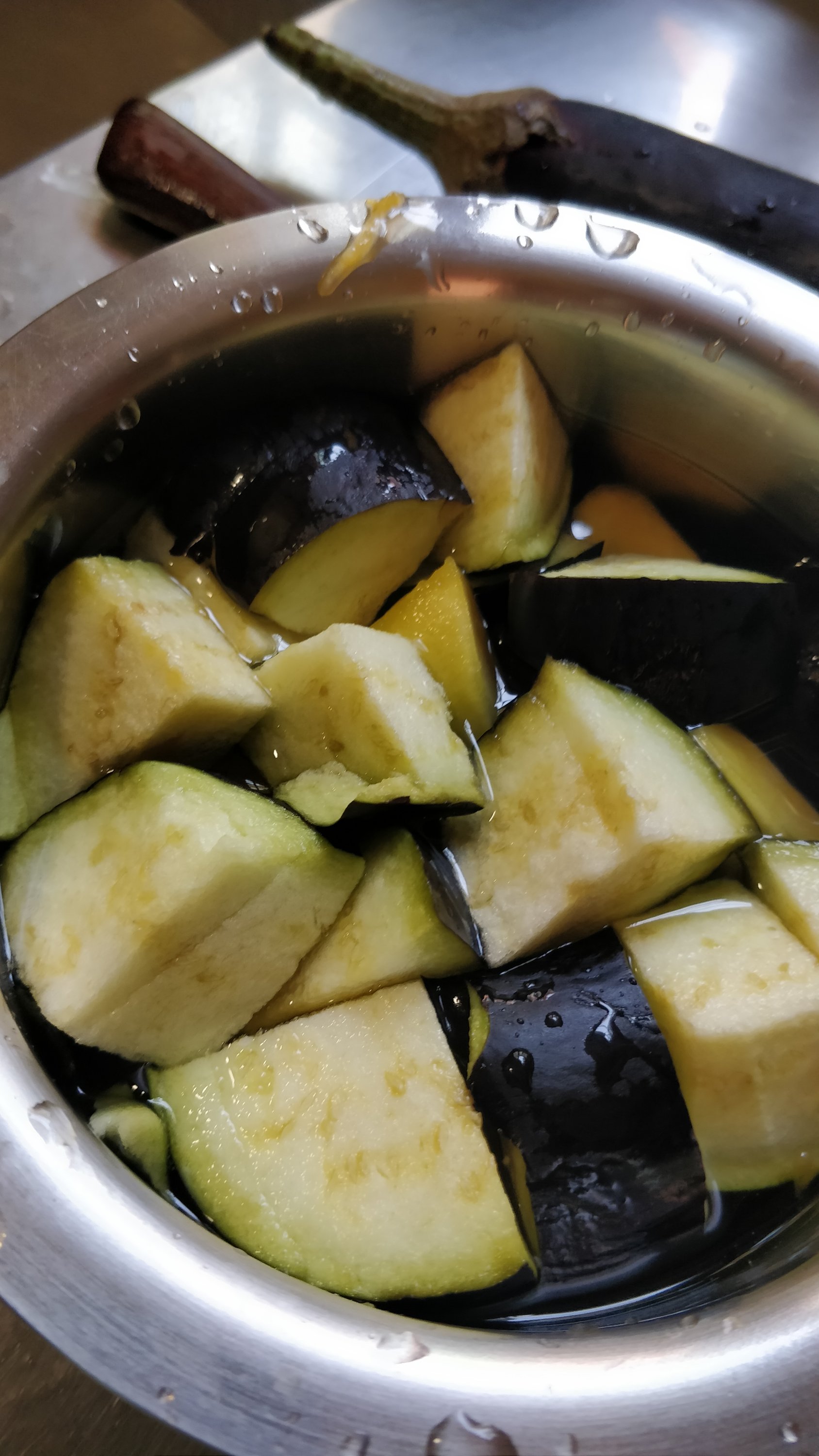
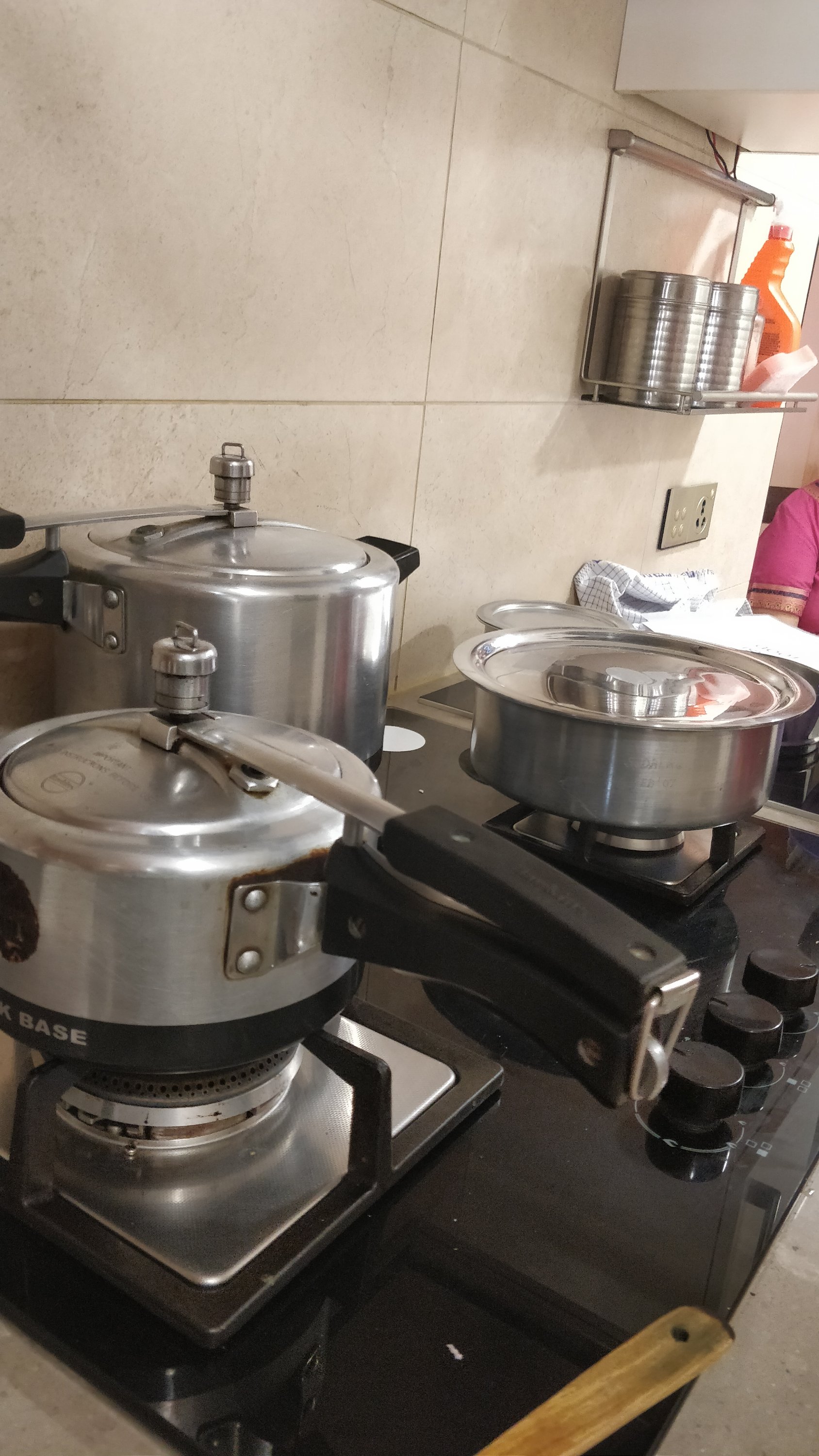
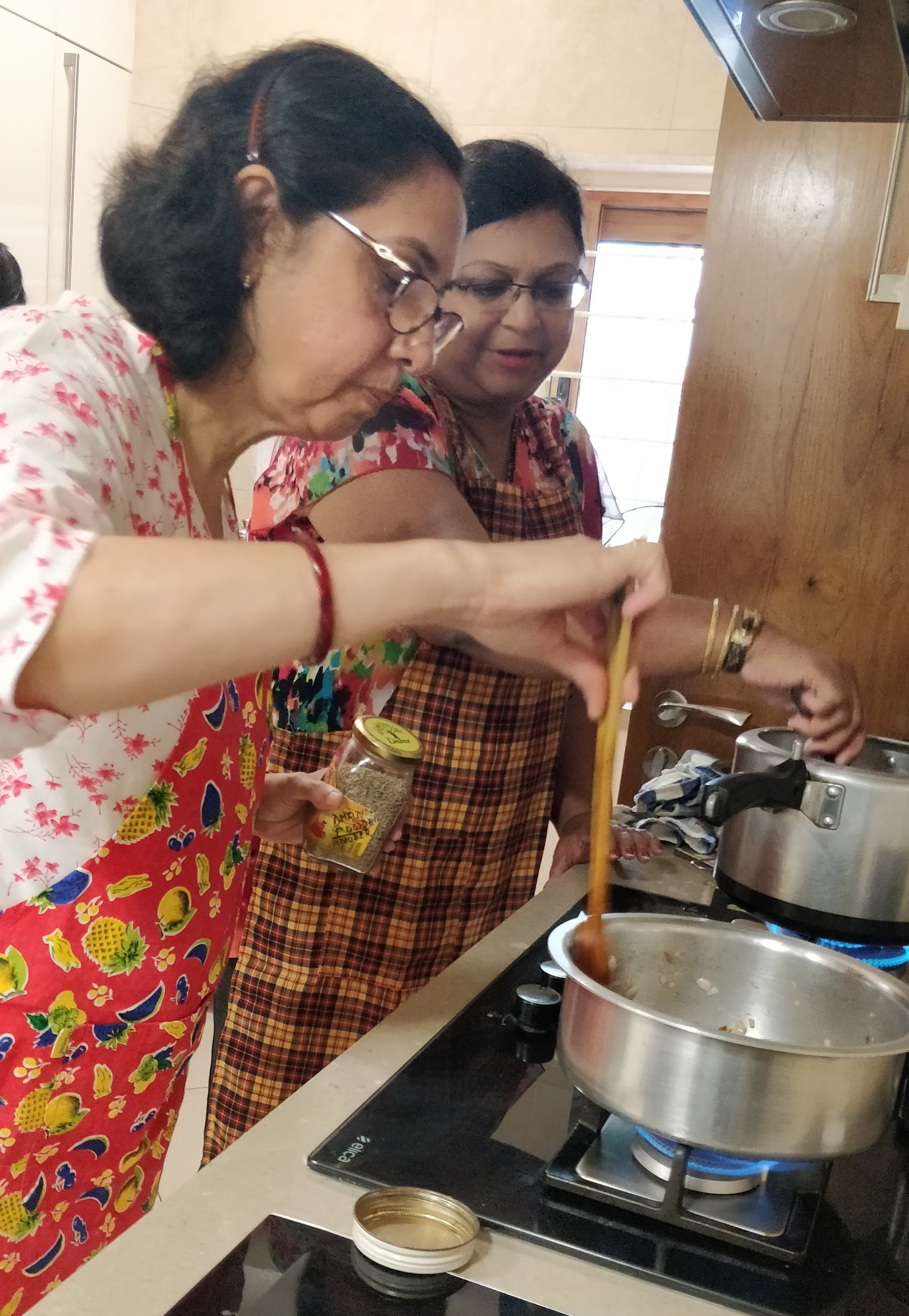


We also began the dhansak brown rice as we chopped onions and chillies and fresh, green coriander for the delicious chicken kababs that are traditionally served with dhansak. My mouth began to water just with the aromas of the ghee and frying onions and the simmering stew!!

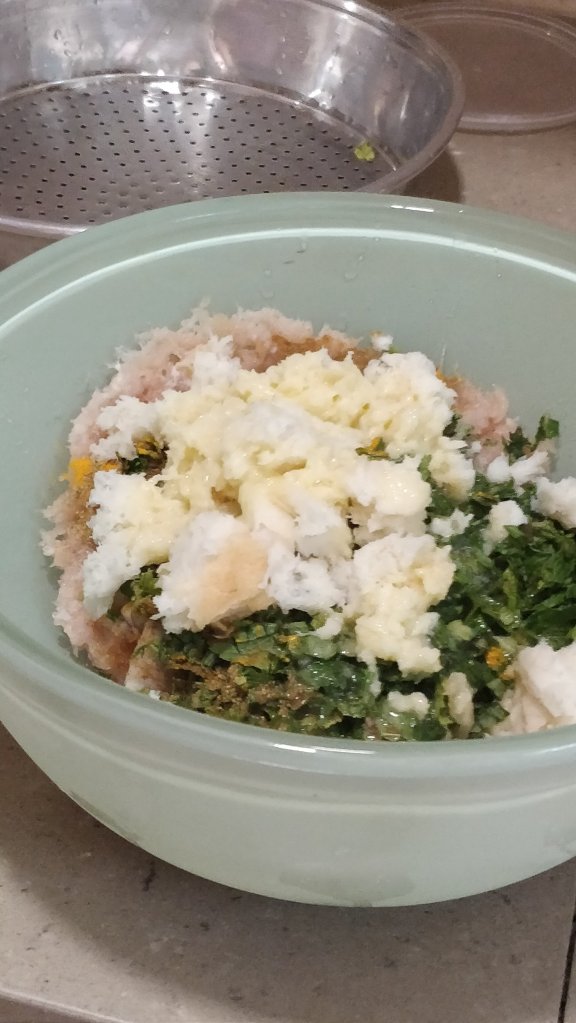

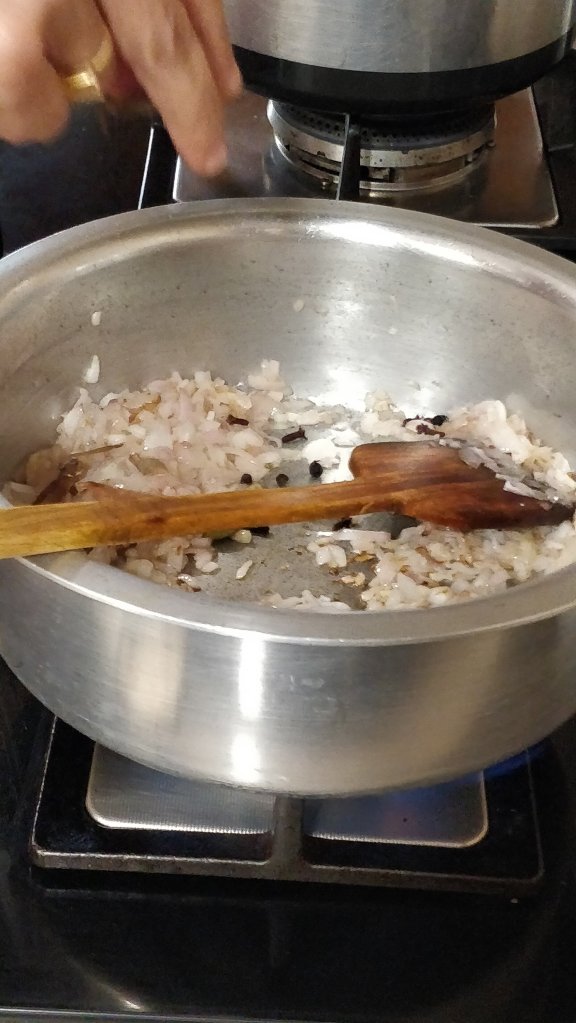
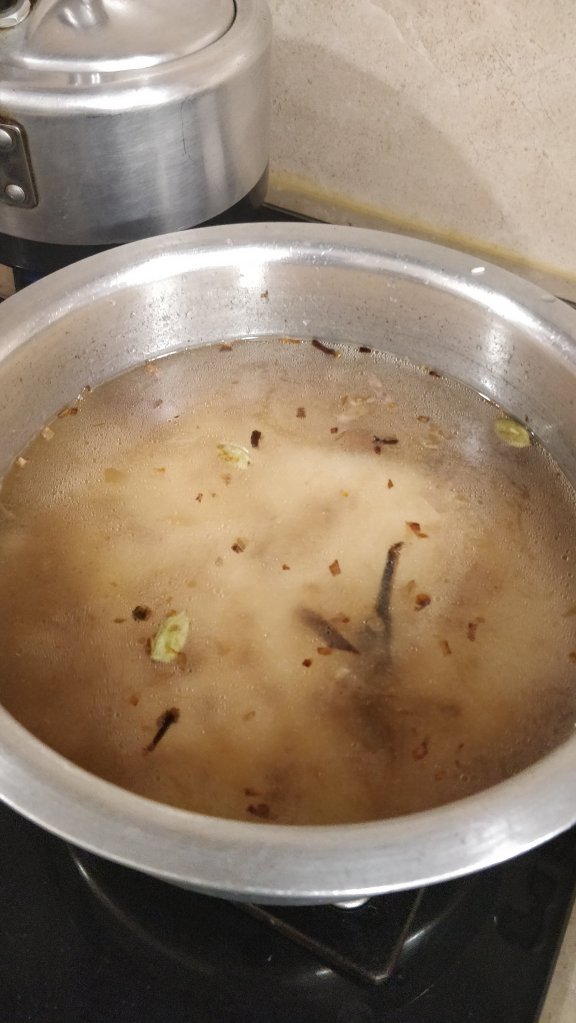

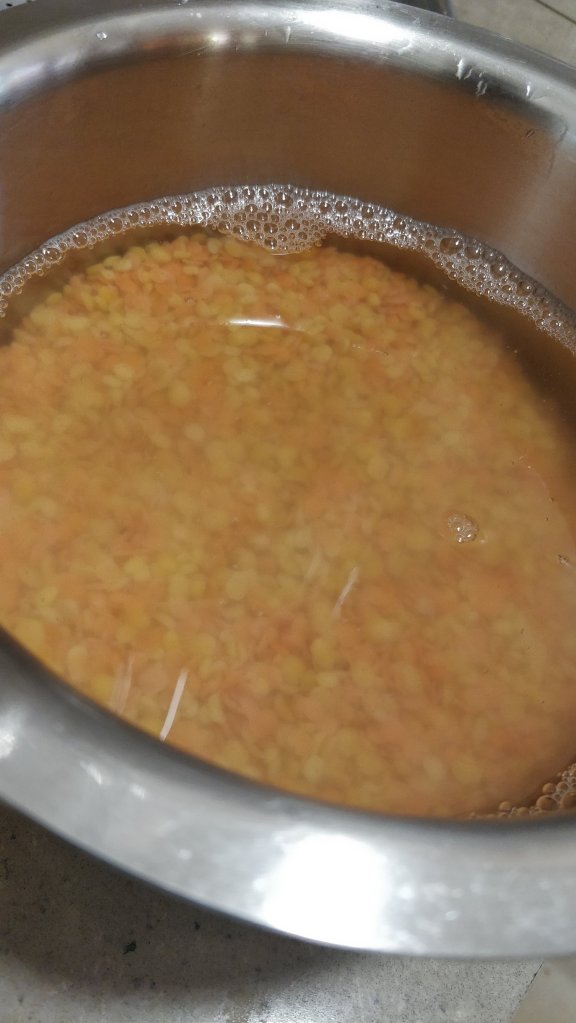
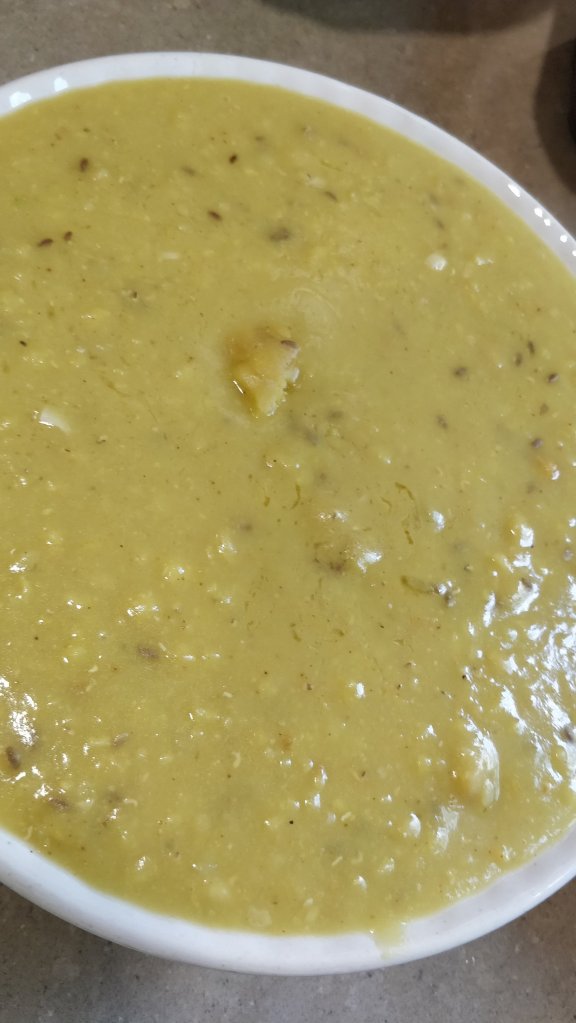
Dhandar is a special parsi combination of three lentils with the lightest vaghar (tadka/tempering) of jeera and ghee and garlic. It is food made on any auspicious day and served in homes on birthdays. This is served with plain rice, gently simmered until done in a wide, shallow and very Parsi vessel . The combination of the dhandar and rice is comfort food at its best. If you are really seeking comfort, the chicken kebabs go superbly with it. And I would add crisp papad and some tangy pickle ( my south Indian genes can’t resist papad and pickle and ghee with rice).
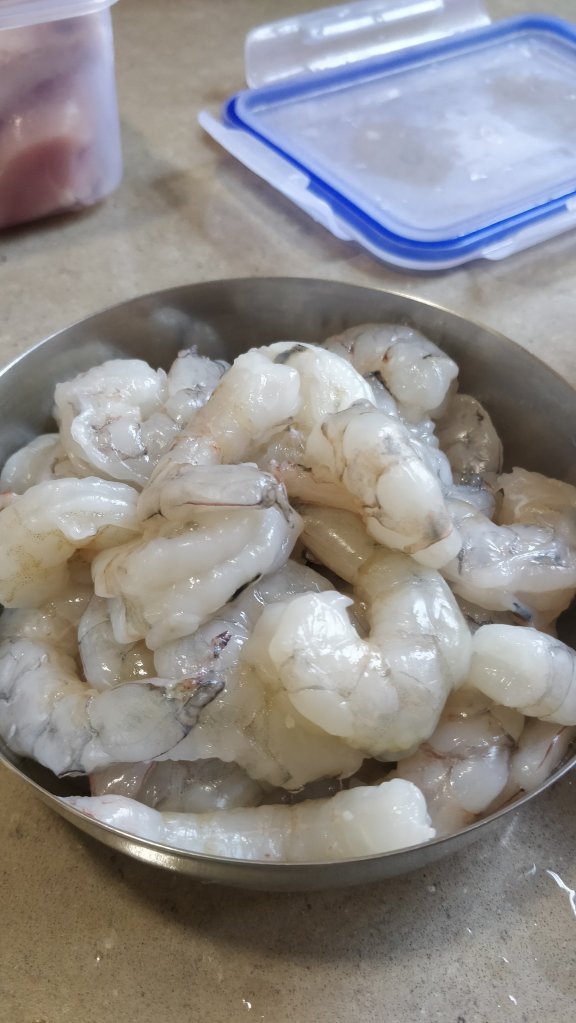
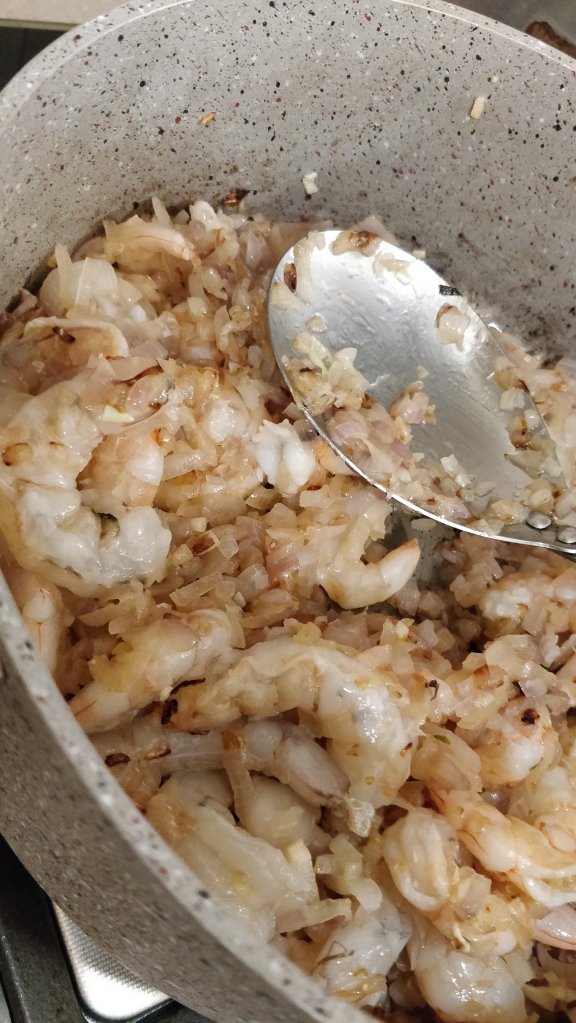
We then made a very yummy pickled prawn patio. The prawns were plump and fresh. The trick is in the jaggery and vinegar, making this a Parsi-style prawn balchao, spicy and sweet. Patio goes well with anything and personally, I love it with fresh bakery pau.

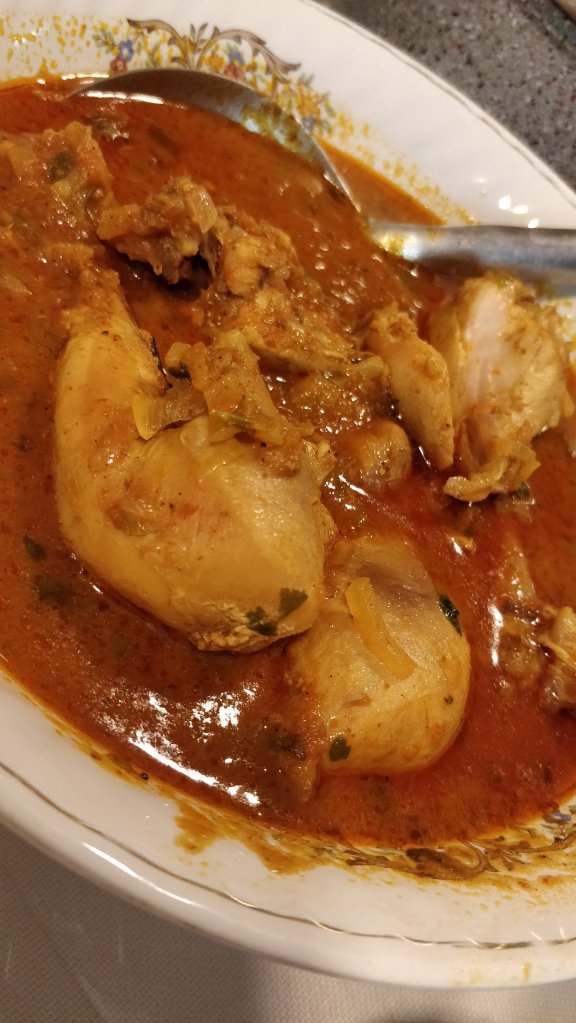
We went on to Salli murgi, that perennial favourite of chicken gravy topped with slivered potato chips. San uses readymade Salli from Pune’s famous Budhanis in Camp. The murgi is steeped in a thick gravy of tomatoes and onions, with a tangy sweetish taste.
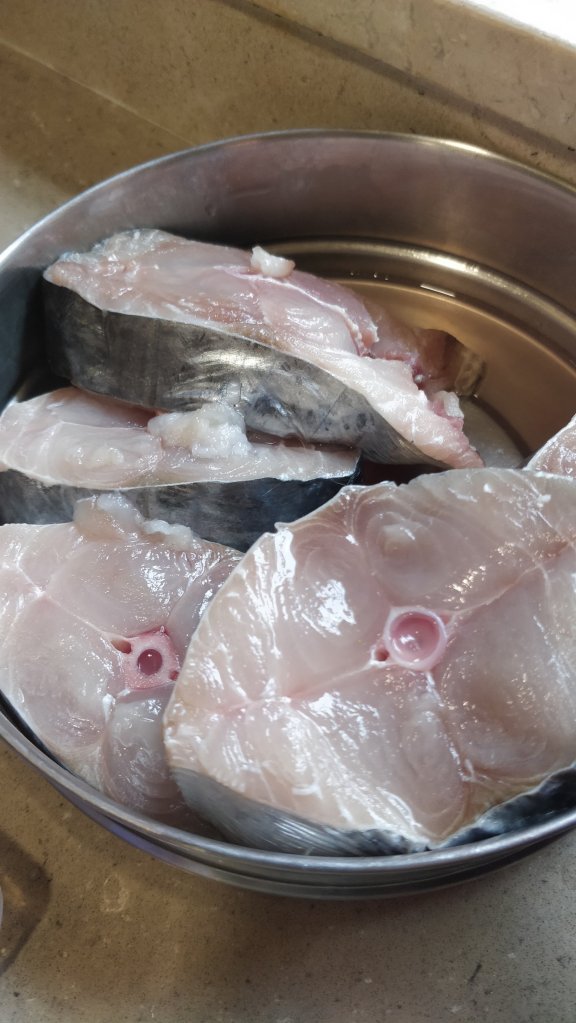
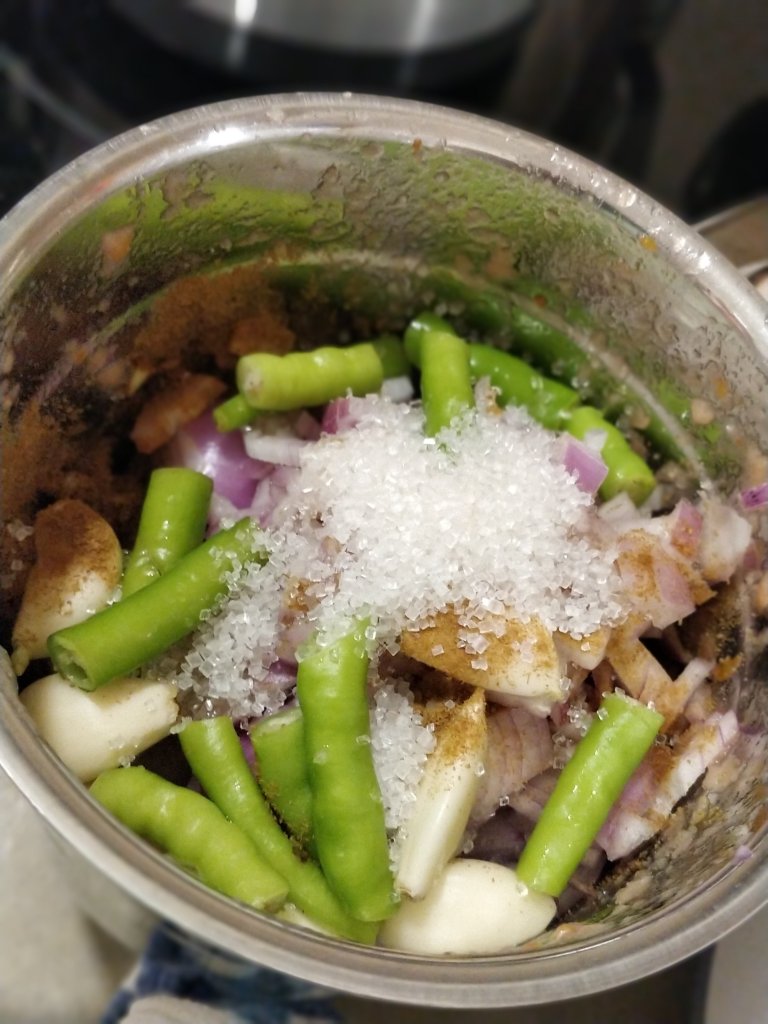
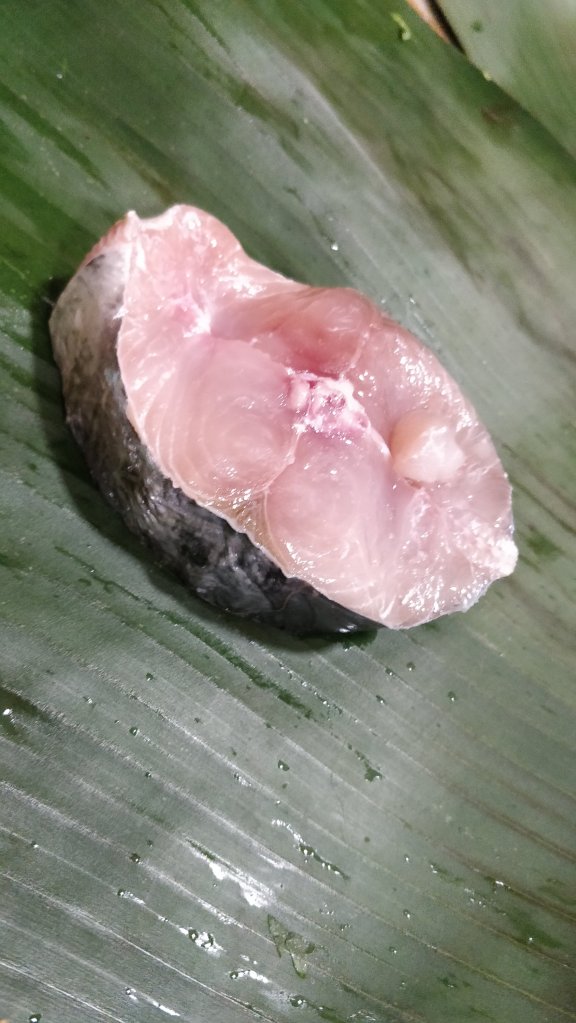
Traditionally made with silvery white pomfret, we next learned the famous Patra ni Machchi, using thick surmai steaks. We made a fragrant green chutney with loads of fresh coriander and smothered the fish in it, wrapping the steaks individually in fresh banana leaves before steaming them. Sanober likes to use surmai over the very small and tasteless pomfret we currently find in the market. The fish was tasty and fragrant and I really loved it.


Saahs ni machch is that other famous Parsi fish dish that everyone goes mad about. I think it’s the parsi version of fish in a velvety french roux, only spiced up with a few twists of tomato, chilly-garlic and vinegar. The main ingredient that makes it so velvety is the beaten egg, added to the hot roux. Sanober will teach you how to do it just perfectly!
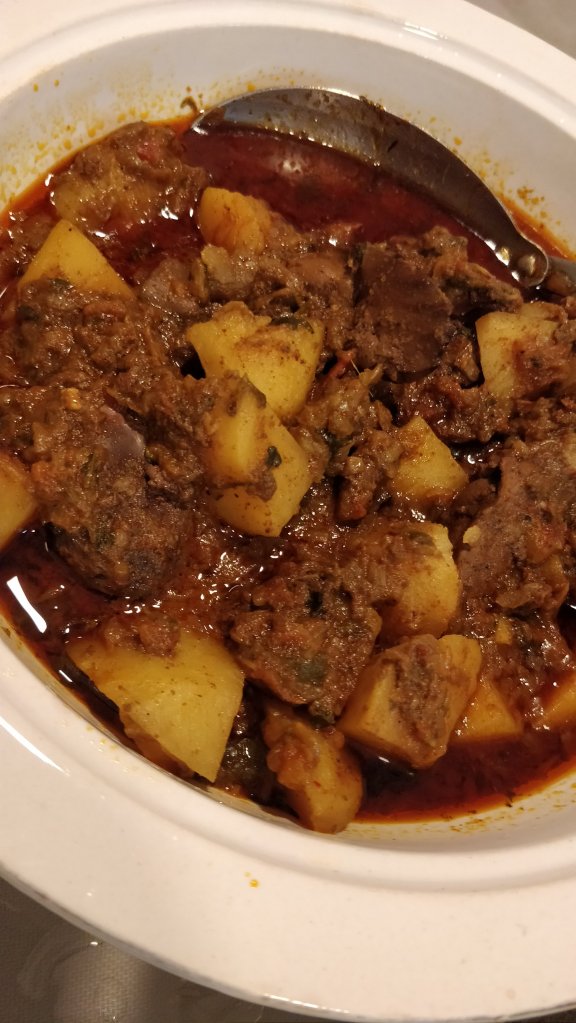
We also learned alleti-palleti, a masala liver and potato dish. Honestly, the only way I can eat liver is in a pate so I wasn’t very enthused about it. Garnished with boiled eggs and served with dhandar, alleti-palleti is a parsi classic.

And then there was dessert. The classic Lagan nu custard is what I love most. My old cook, Carmelina, made the best Lagan nu custard. Ever. And I never learned it from her, to my eternal sorrow.
Then there was the brown mithi sev our beloved Parsi neighbor sent over every Navroz (Parsi New Year). Sweet, fragrant and browned, the rice vermicelli was garnished with nuts and raisins: memories of my Bombay childhood.
Sanober showed us how to make Ravo. Ravo is sweet semolina in milk, garnished with nuts. The milk is reduced with sugar, before adding the semolina. Again, I’m not a huge fan of milky desserts (except my friend Melanie’s killer Brazilian flan, mishti dahi, my mother’s kheer, my friend Fawia’s Goan caramel custard and any panacotta), so this was rather wasted on me.
The class was six hours long and very intensive. We laughed, chatted and had a good time over many cups of green tea, snacks, Sanober’s homemade lemon squash, and a delicious picnic lunch of parsi cutlets with Irani bakery bread, wafers, sauces and more.
Sanober herself is very hospitable and gracious and genuinely warm and friendly. She loves to share her knowledge and passion for food, which makes her a naturally gifted teacher.
My husband feasted well that day and the next, because we all took home portions of every single item. I can’t wait to cook up my own parsi feast soon!! Jamva chalo ji!!!

 Thewanderingindiangourmet