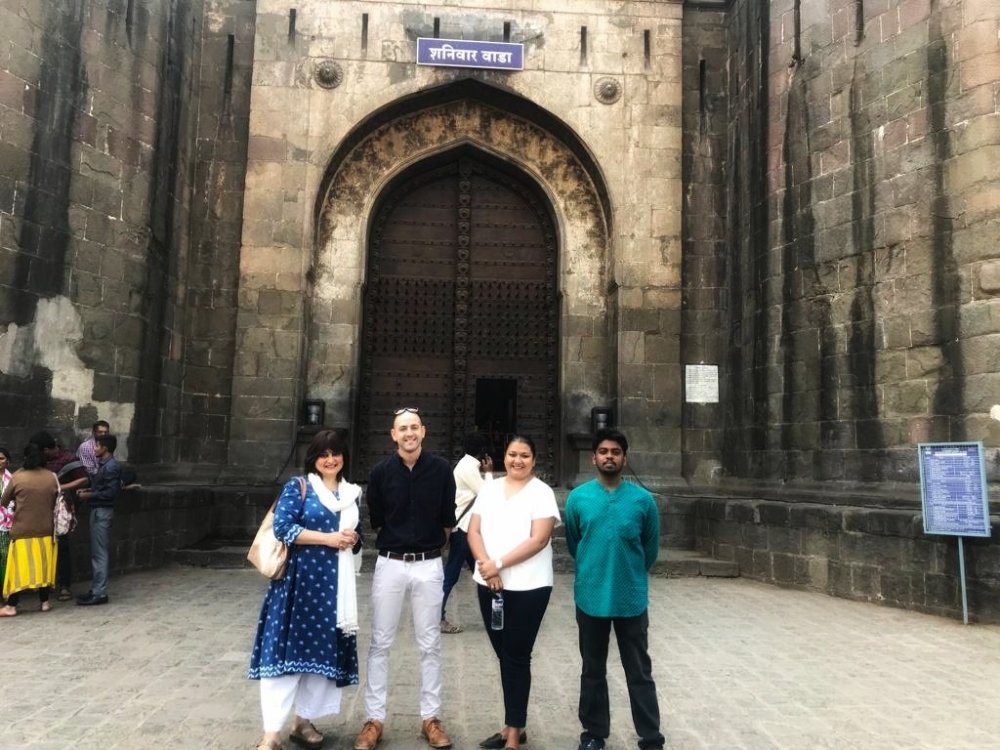
Breakfast with the Vice Consul of Israel was not as intimidating as it sounds. Mainly because the lovely man is so down to earth, erudite and interesting to talk to.
Nimrod was visiting Pune for the Israeli Film Festival at the Narional Film Archives. He wanted to meet local people and experience the real side of Pune. And somehow, there I was, escorting him and his chirpy Indian PR Assistant, Torsha, around the Old City.
I must confess I am not a ‘City Puneri’. I am from ‘Camp’. That in itself is a huge distinction which probably doesn’t qualify me as the right local to show someone around Old Pune, but I had loads of really cool help from the awesome Kalyan Karmarkar, Antoine Lewis and Jayesh Paranjpe who generously shared their knowledge and advice.
Torsha was much keener we do the Old City and not my regular beat in Camp, since it was more a window into the real India .
Traditionally, City is the Peshwas Pune, the Peths and Shaniwarwada Fort, Tulsibaug, Mandai, the River. It is the old heartland of Pune where the locals live and thrive, bustling with narrow streets and alleys with markets and commerce.
Camp is the old British Cantonment replete with wide, leafy avenues, gymkhanas, Empress Garden, St. Patrick’s Cathedral, the Race Course, Shivaji Market and the Southern Command Army HQ. We also have an old tradition of Irani bakeries and cafes supplying us with sweet chai, bun-maska and mawa cakes.
Torsha’s choice of a City breakfast meant misal pau and mastani at Shri Krishna over bun- maska and chai at Vohuman. Both equally local experiences!
I decided to ‘Be Prepared'( my fervent motto) and went on a recce two days before so that I could confidently guide them around. I enlisted my faithful sidekick, Arnold, and we went exploring Tulsi Baug, that bastion of the oldest parts of Pune.
Tulsibaug is the heart of medieval Pune, with its little ‘allis’ (alleys), old shrines and the colonial-built Mandai vegetable market. Tulsi Baug is exciting, chaotic, crowded and pulsing with history, all at the same time.
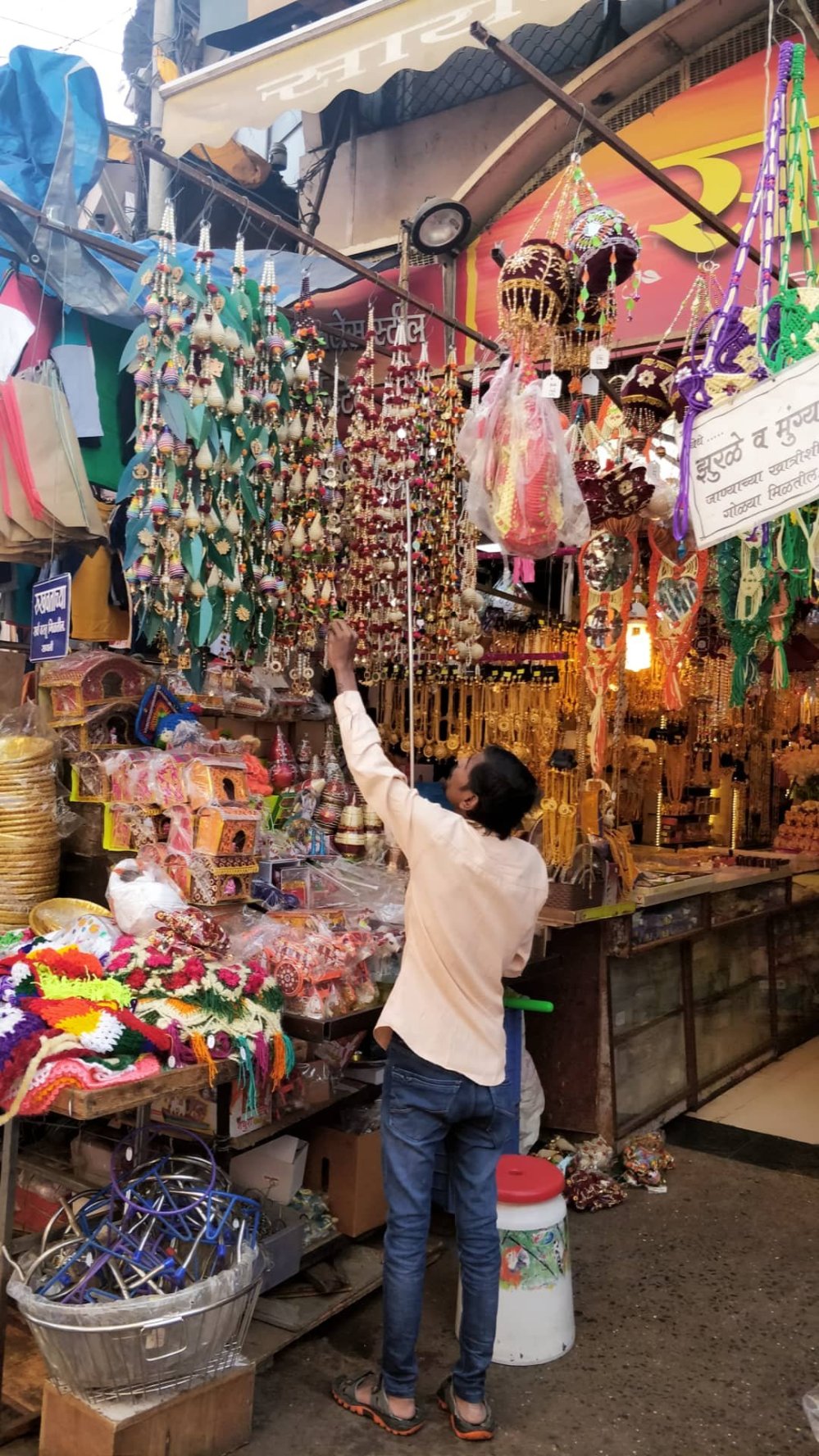
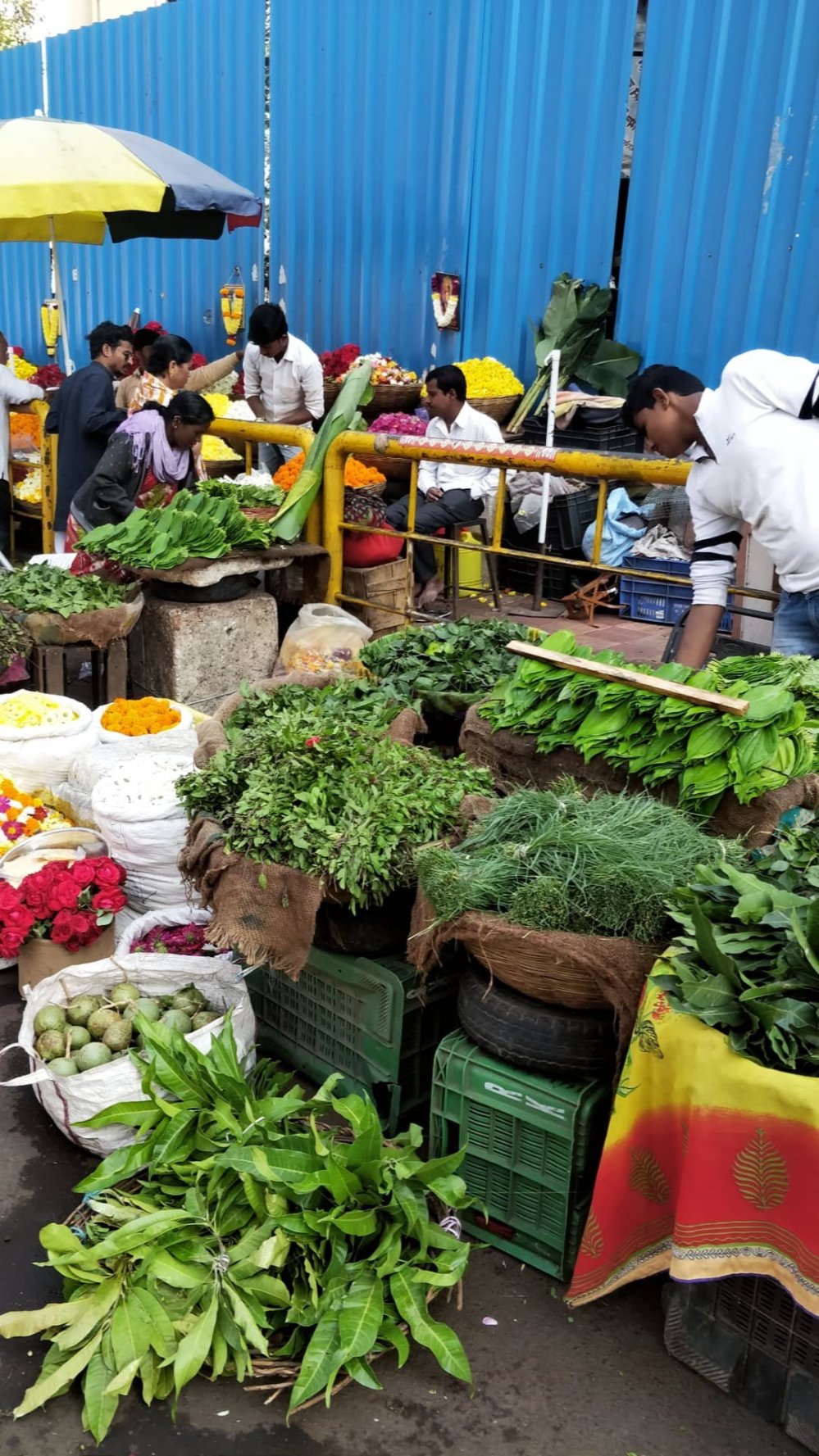
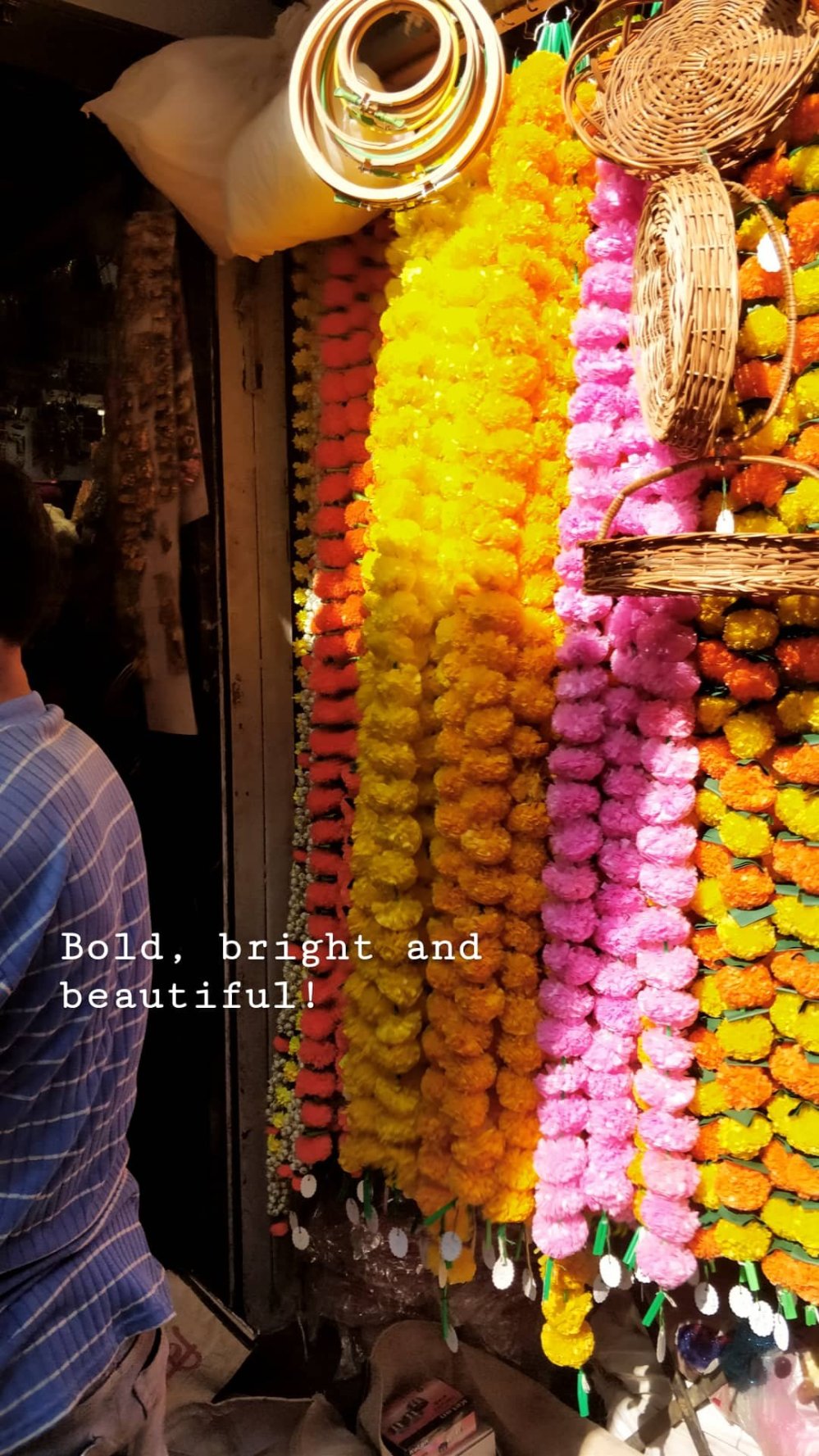
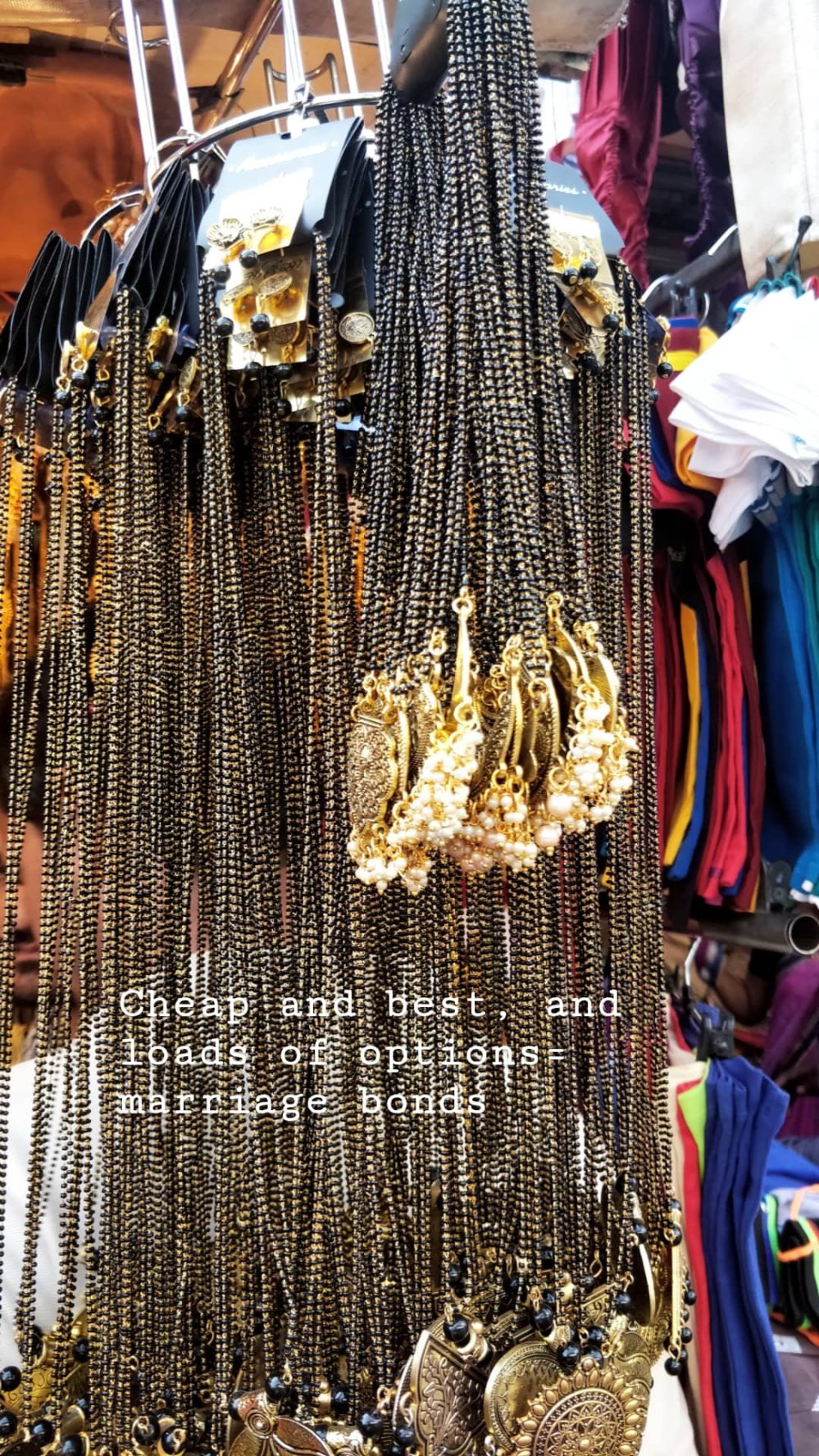
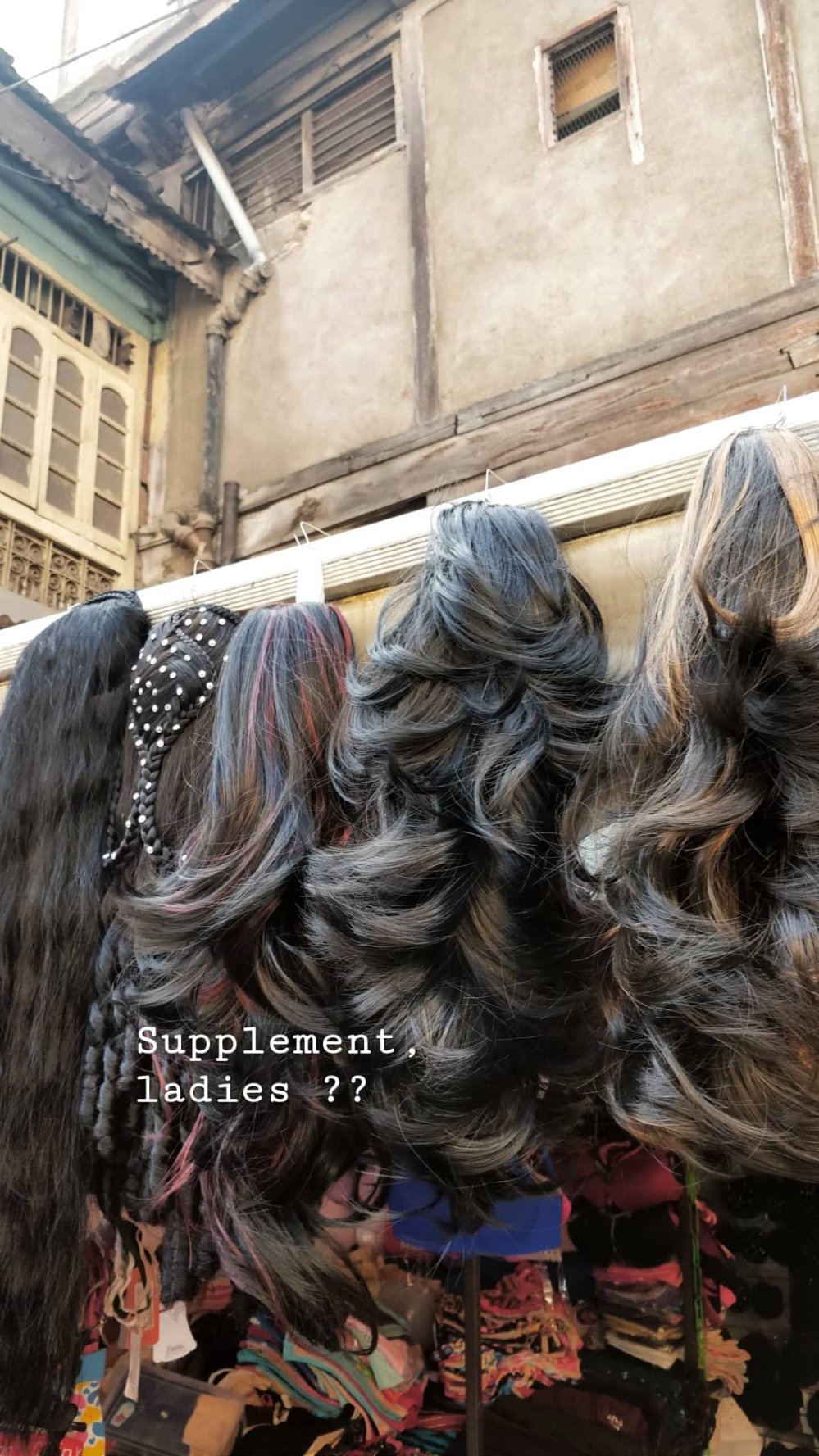
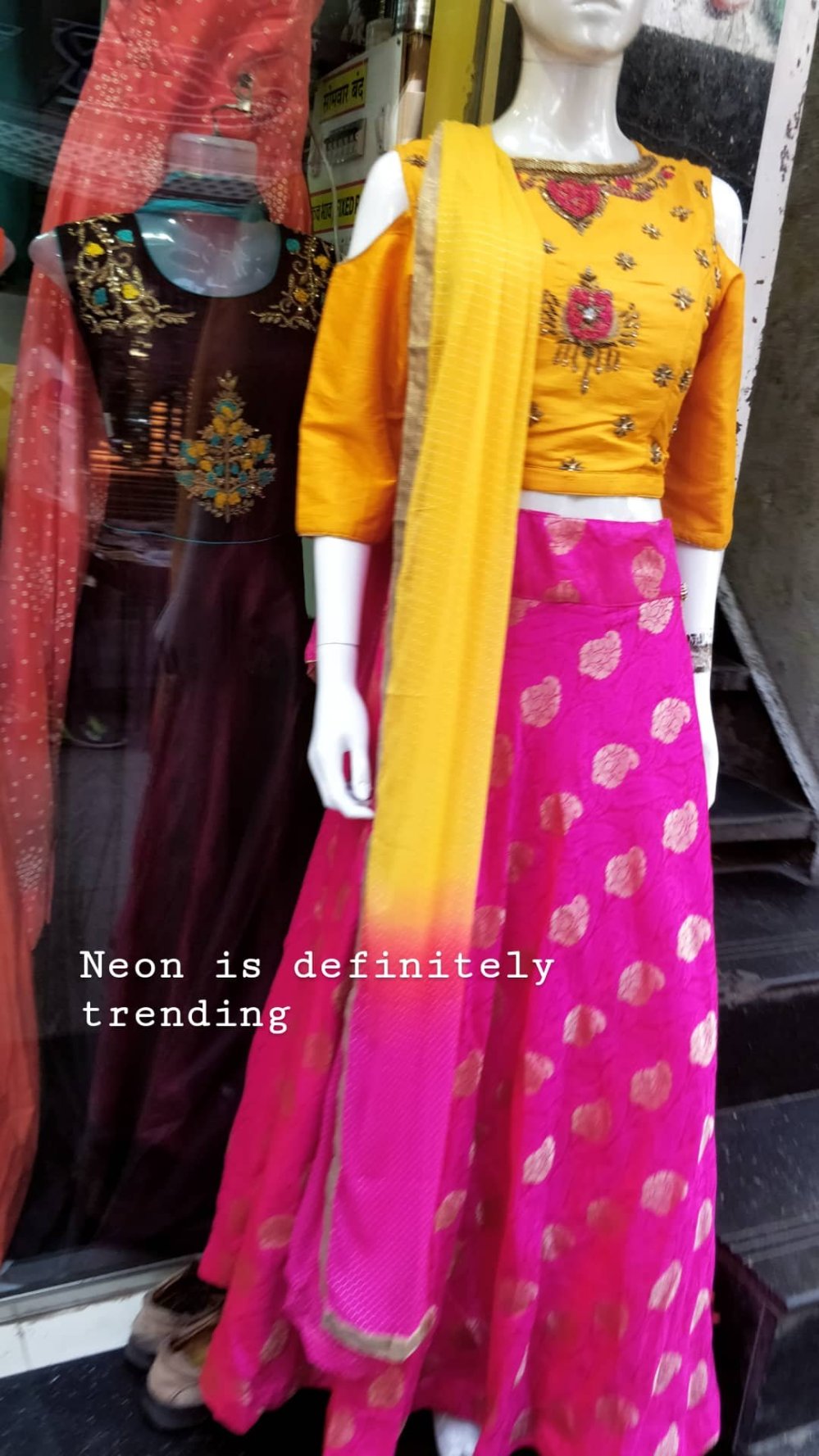
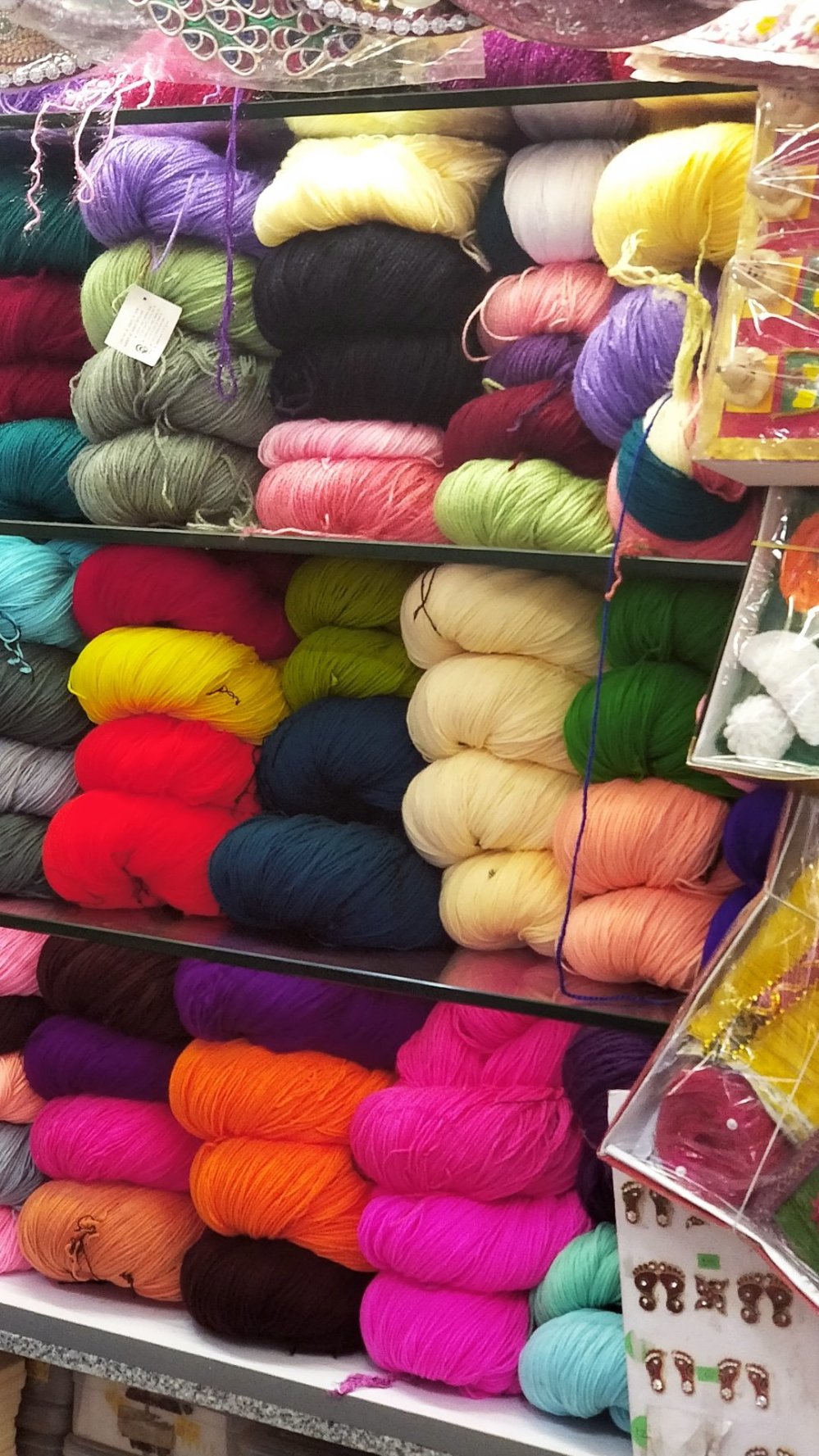
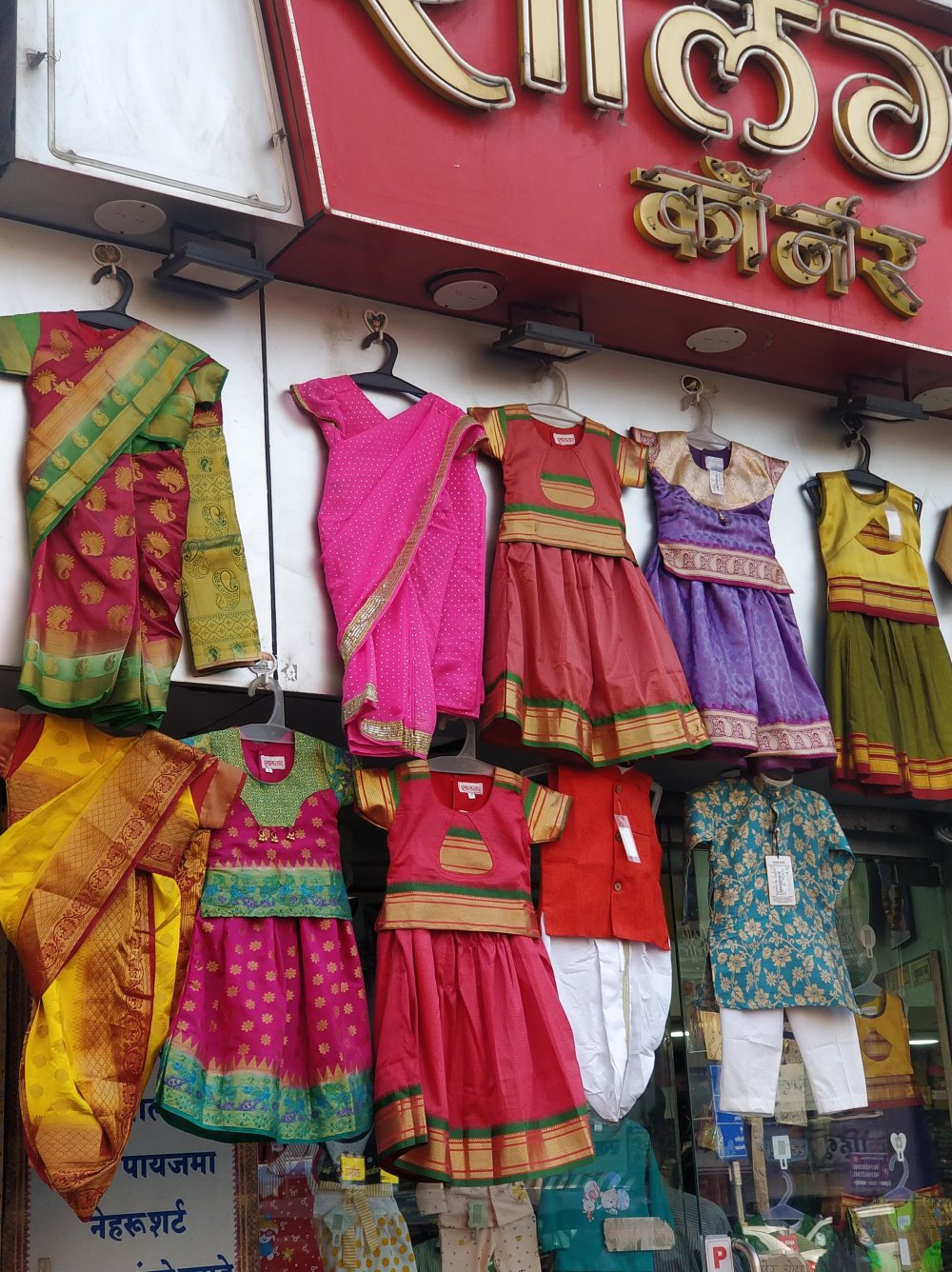
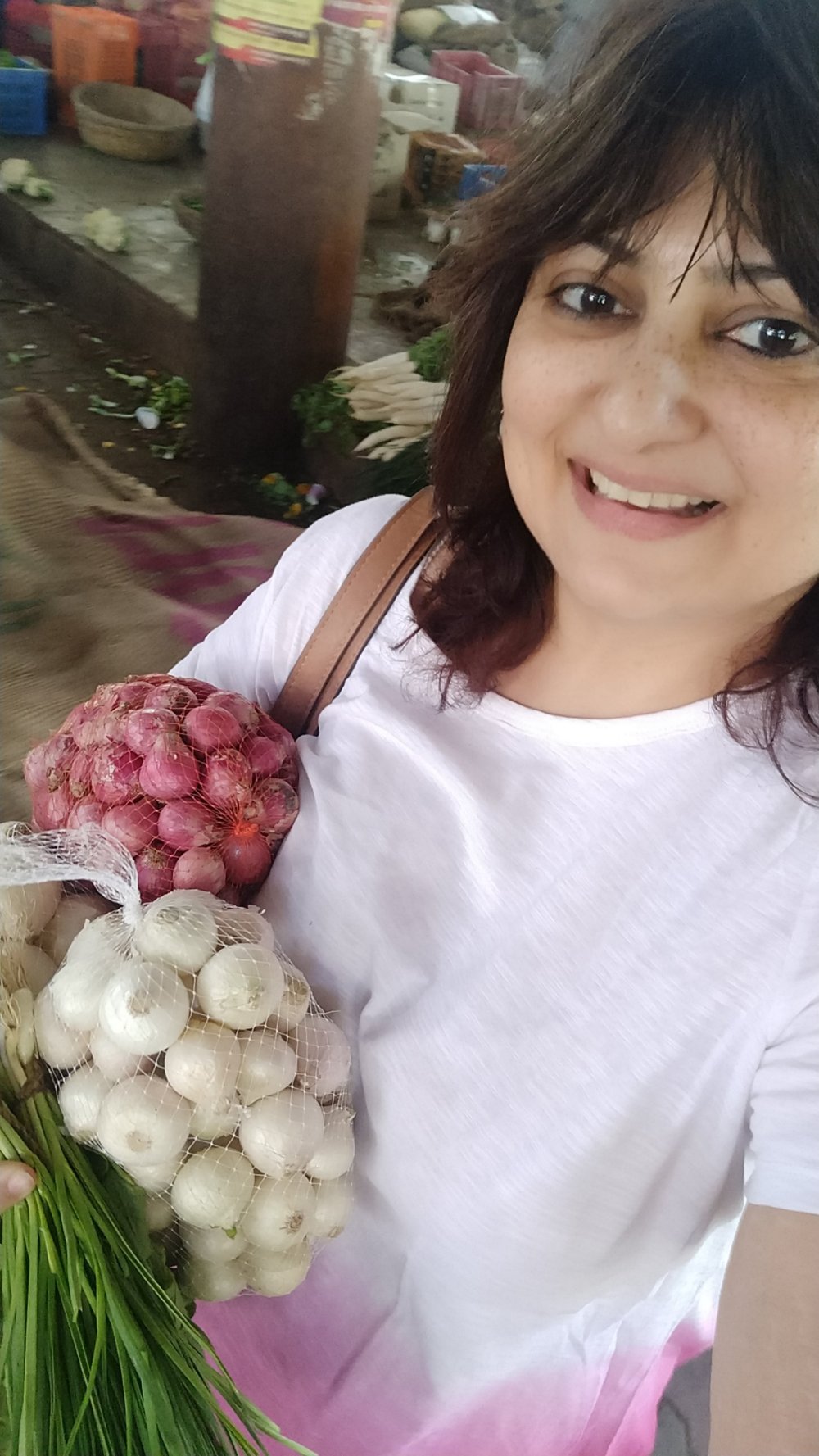
I had so much fun scouting. The labyrinth -like Tulsibaug is filled with treasure, if only you have the patience to seek. I found lovely Nagpur oranges. Shiny black water chestnuts. Fragrant flowers and herbs for pooja. Fresh green garlic- such a prize. Alleys of copper and beaten brass (Tambat allee), stalls selling the most colourful, printed undies. Mangal sutras strung by the hundreds from stalls. Wigs. Sweaters. Plastics. Fake flowers.
When we finally step out for our breakfast with Nimrod, it is just the four of us, walking early in the morning. Around us the market is slowly waking up. It is a slightly nippy, gentle winter’s day. We wander past flower sellers and vegetable vendors and old ladies heading to pray. Many of the stalls are still shuttered. We look upwards, admiring the old carved woodwork arches, the last remnants of an older time.
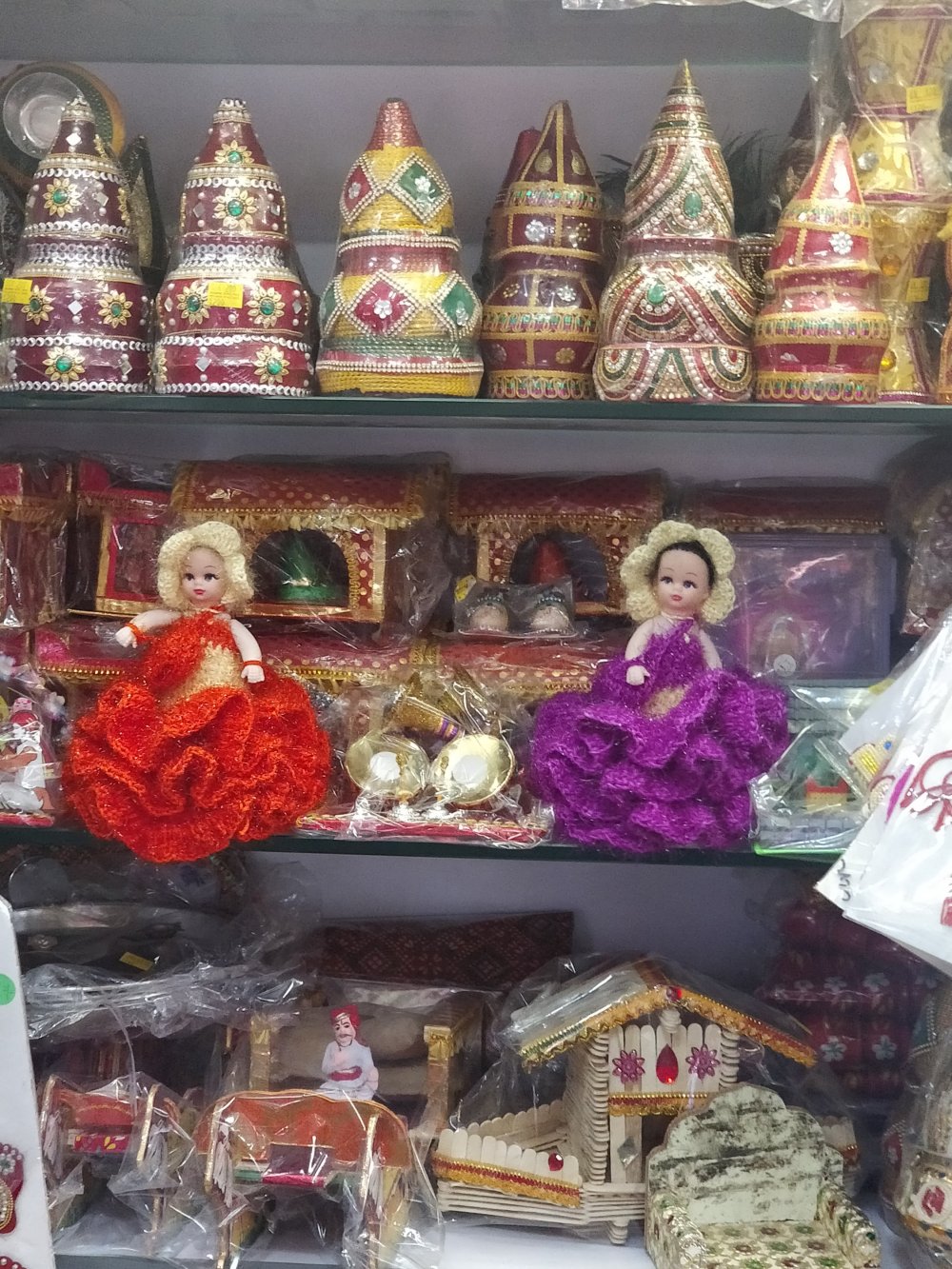
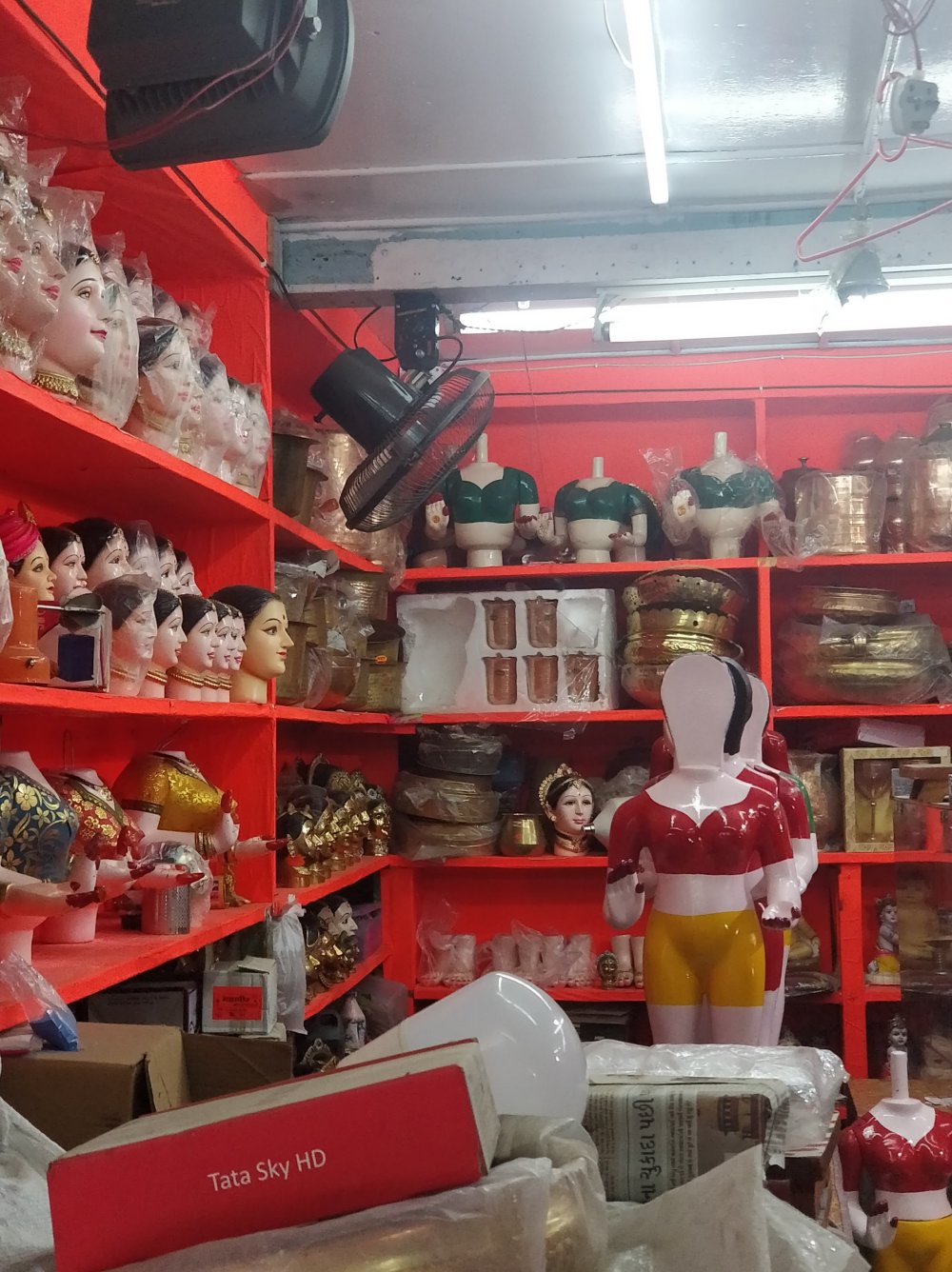
We turn into a corridor, strung from above with bundles of ancient telephone and electrical wires. Old window shutters dangle drunkenly from stone walls in the mild winter sun. The corridor is lined with shops selling mannequins for deities. And God clothes. Rows of headless mannequins stand patiently outside. Inside there are shelves of heads, the feminine faces in different styles of hairdress and makeup, exactly like in the mythology comics we read as children. Add accessories, saris and jewellery and create your own deity! Distinctly creepy and bizarre but apparently very de trop.
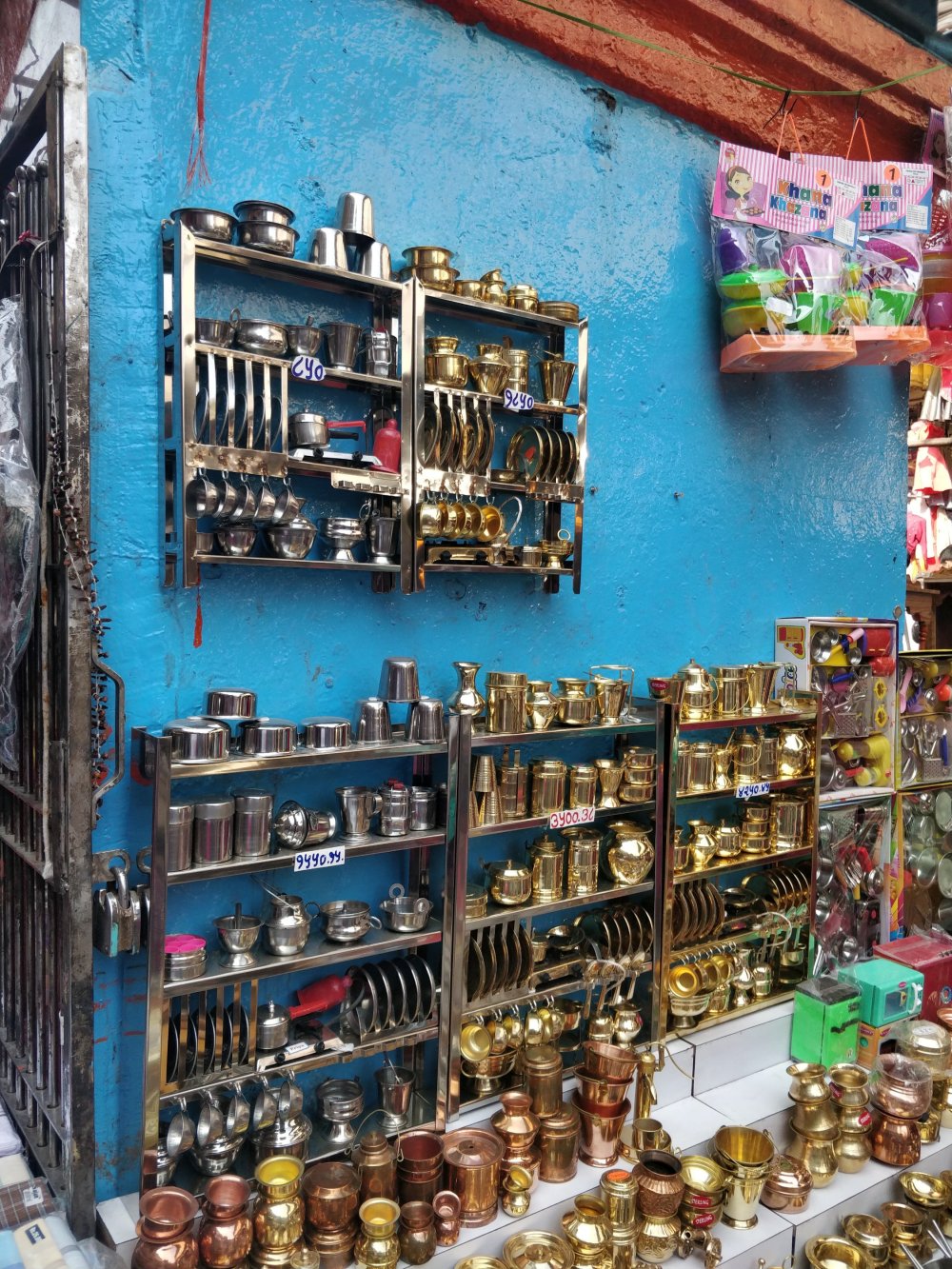
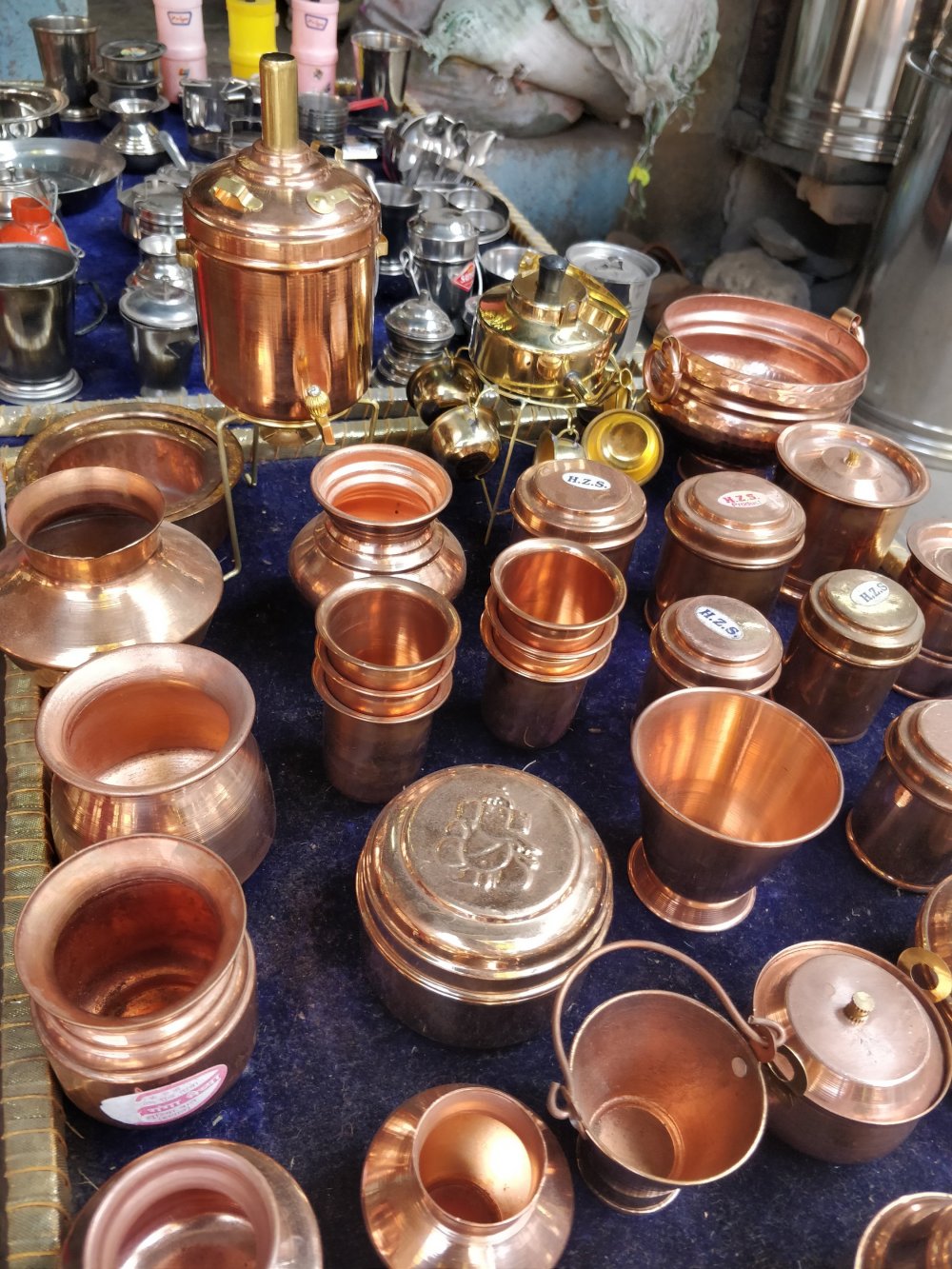
There are little shops selling brassware, fine crafted traditional kitchen sets for little girls to play with. The kitchen sets are beautifully made and detailed. They come with a traditional wall stand with shelves and slots for thalis and utensils. There are traditional water heaters, and kitchen implement s of yore. Given their price, I am not sure who could actually play with them, but for a collector, this is a steal. There are dozens of brass temple bells, statues of Gods for worship, and standing diyas, all hand made.
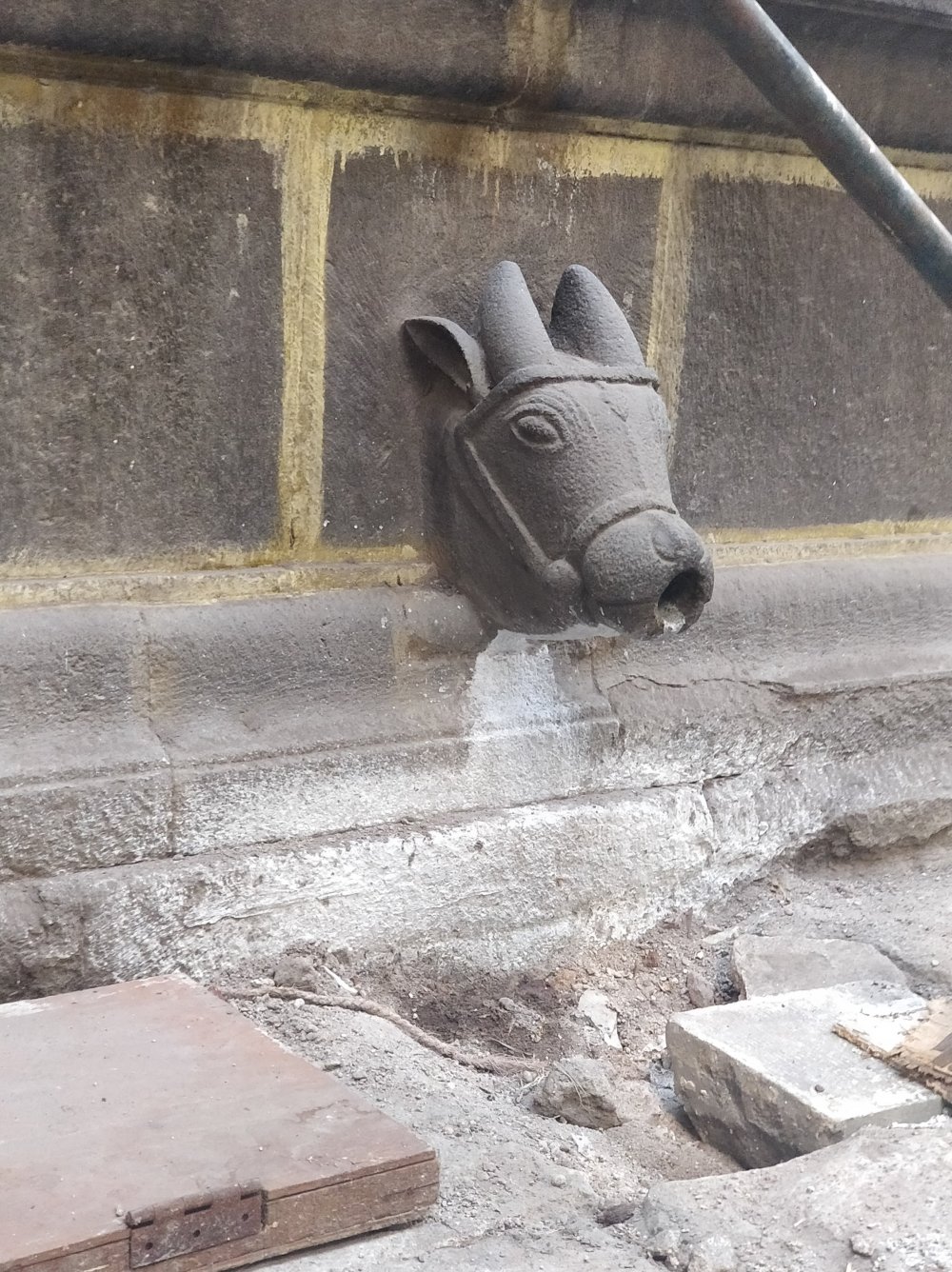
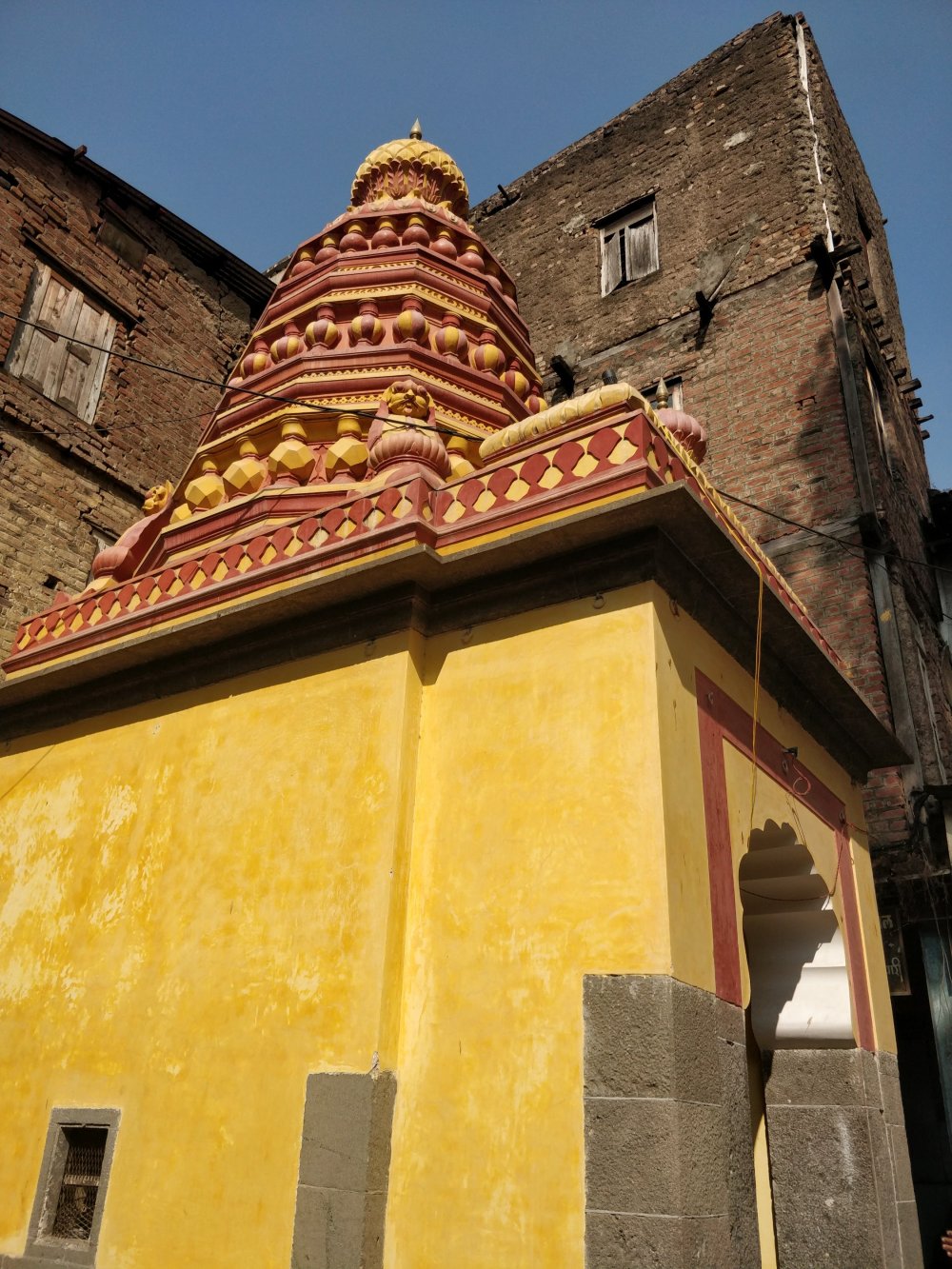
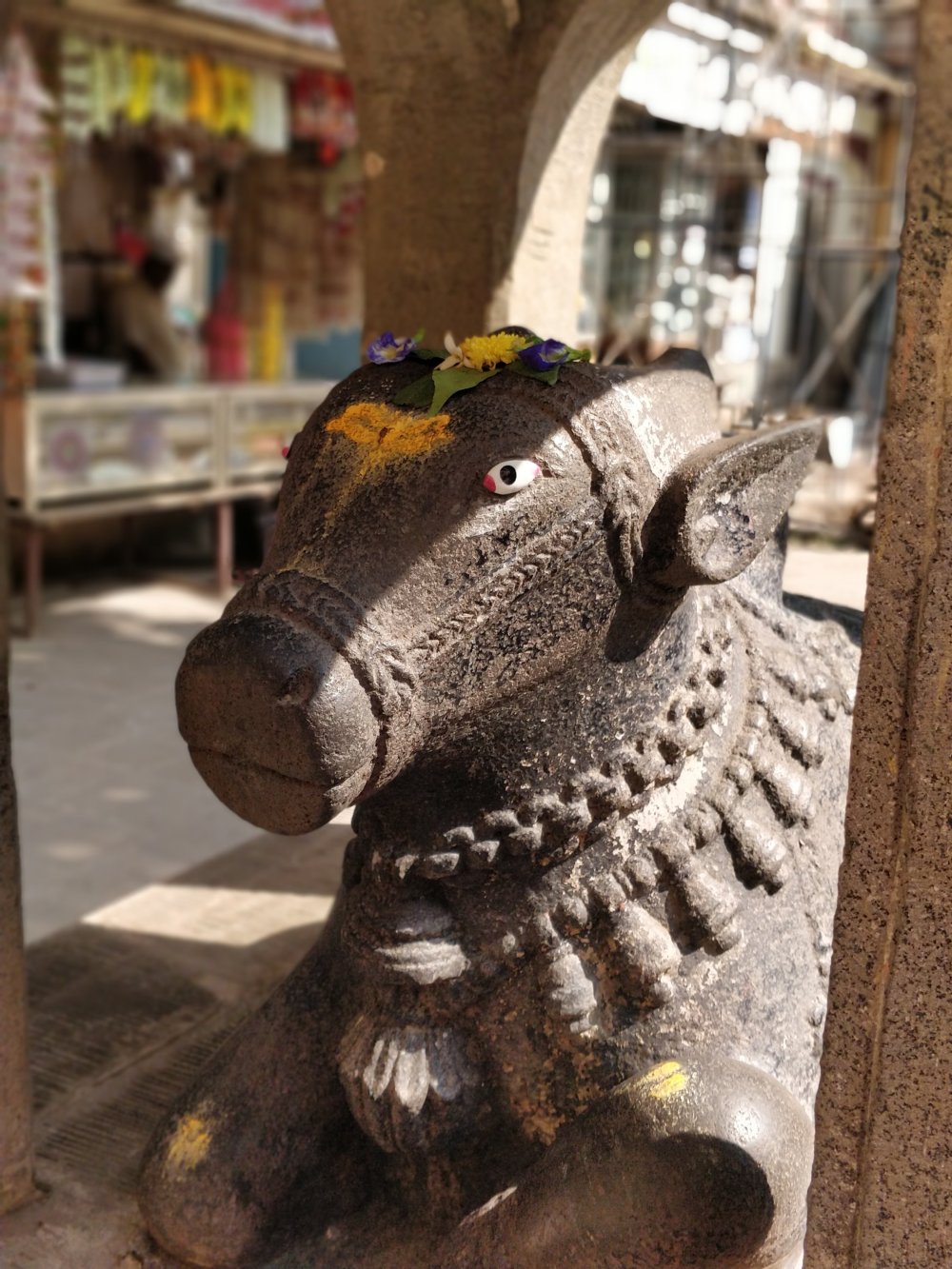
We enter the main Tulsibaug courtyard, surrounded by seven different temples, each honouring a different deity. They have all existed together in harmony for a long, long time. The courtyard exudes a serene energy, despite the ongoing restoration work. Wood, brick and stone create little nooks of the Divine. I love the stone Nandi Bull outside the shrine dedicated to Shiva.
The main temple is still patronised by an old Deccan Family and homes the trinity of Ram, Sita and Lakshman. The priest is young and affable and happy to share the history of the shrine.
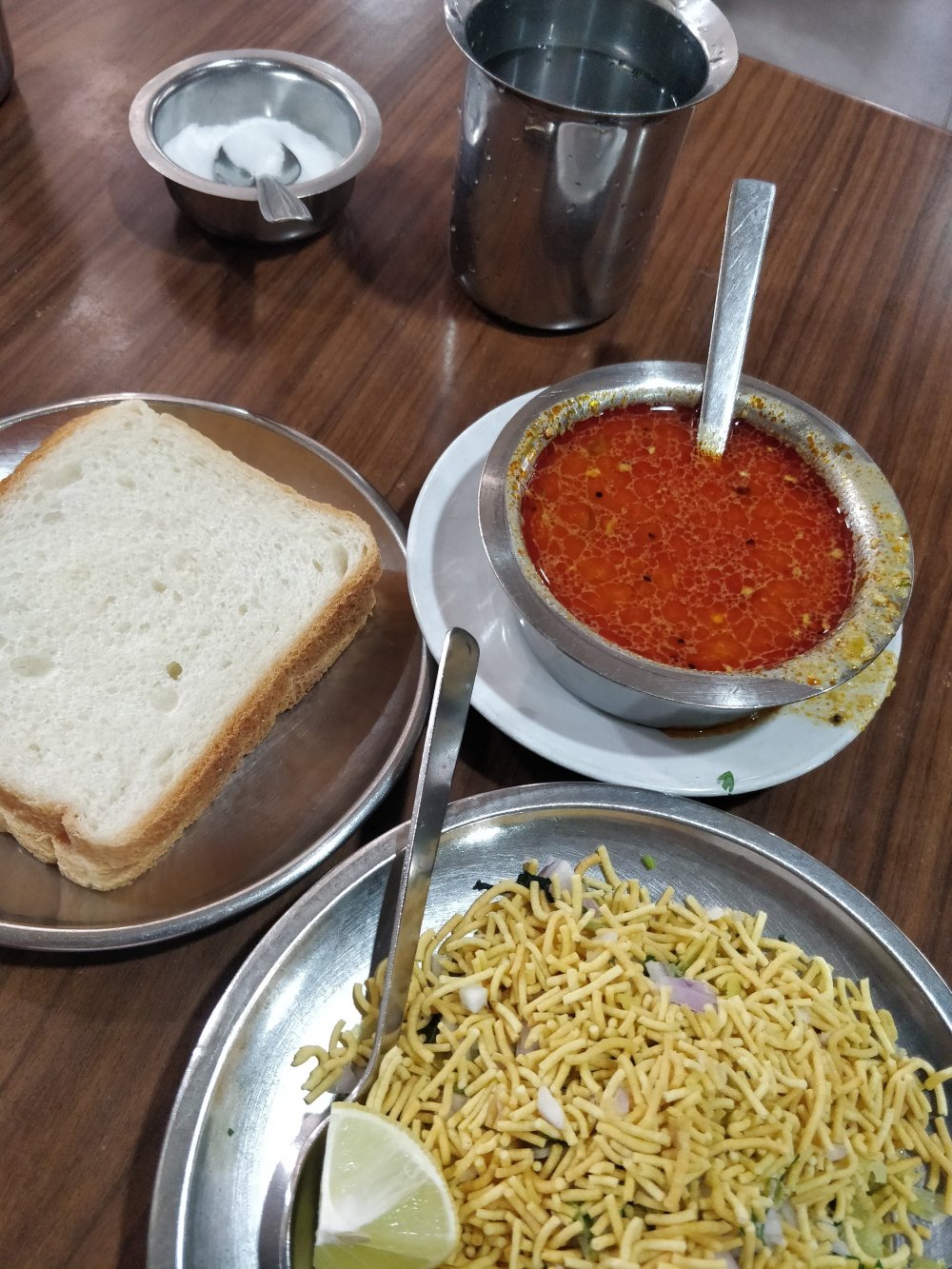
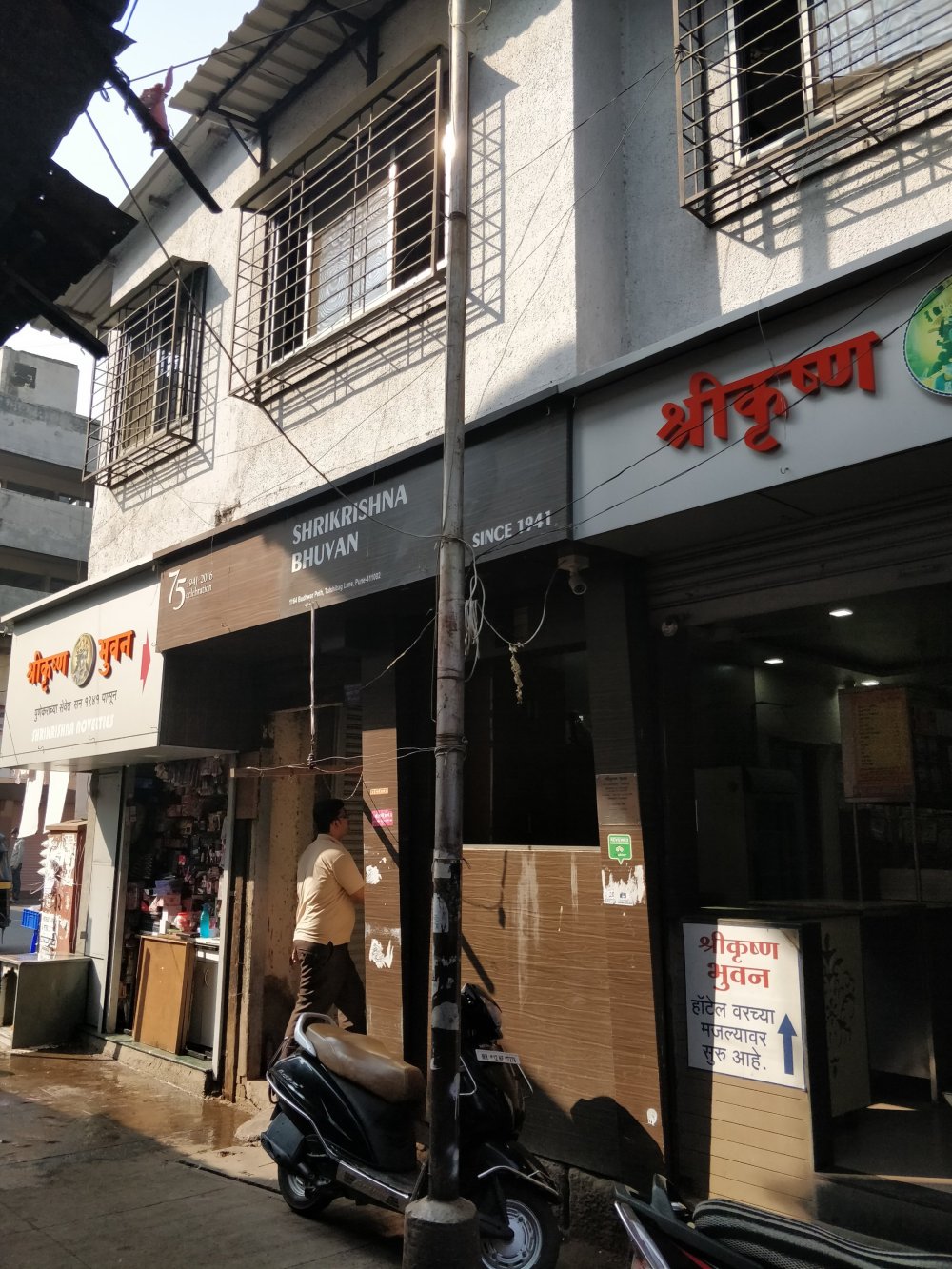
Breakfast is at the iconic Shri Krishna Misal. I have been here before. This is a mom and pop shop, and has been for decades. Their reputation for the best misal-pau means you have to stand patiently in long queues before you are seated on a formica bench and served from a limited but freshly made menu. The owner is expecting us and is unperturbed by foreign guests and VIPs. The food is humble and authentic and we tuck in eagerly. The spice quotient has been adjusted for Nimrod’s palate.
Now that we aren’t walking around, we have more time for conversation. We talk about India , and her contradictions and contrasts. We discuss where Nimrod must absolutely visit to discover as much of India as he possibly can. There is so much to see and do!
We enjoy the misal, the taak (buttermilk) and fresh bhajiyas. The misal is exceptionally good, crunchy and fresh, perfectly balanced by the fiery gravy.
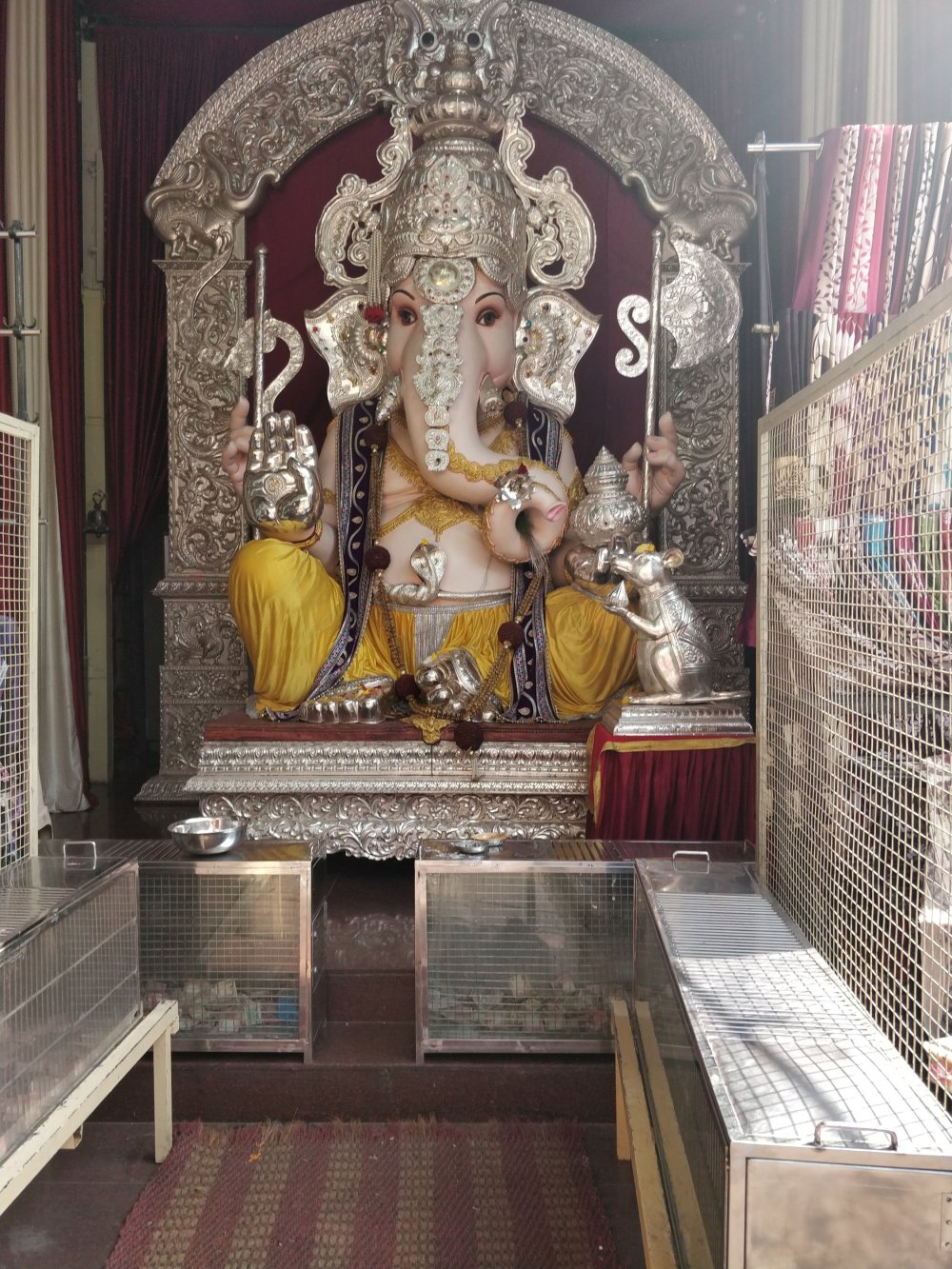
As we leave, we pay our respects to the namesake, the grand Deity, the Tulsibaug-wale Ganpathy. He is a giant, benevolent presence and everyone who passes by His open shrine bows and pays their respects. Adorned in beautiful silver jewellery and a bright yellow dhoti, He patiently watches the world going by, emerging once a year for the grand procession. Today He sits benign and silent, protecting the heart of the city.

















 Thewanderingindiangourmet
Loved reading this radhika! Was sad that it was quick reading and wishing there was more… would visualize everything through your beautifully woven words…. lovely absolutely!
Keep Writing!
Keep Shining!®️
🥂👍🏼👏🏽👌🏽🌟
LikeLiked by 1 person
Thank you sooo much for your encouragement and kind words, Tashi!!! Love you
LikeLike
Love your blogs💓💓💓💓…the energy of the photographs captivating 💓💓
LikeLike
Being in Pune for 26 years, I have never imagined that this side of Pine exists.
I guess it’s a certain mindset we Camp/ Cantonmentwallahs grow up with…. fear of getting lost in old Poona.
Thanks Radhika for putting the Peths and the Wadas on my wish list.
Beautifully written.
LikeLike
Thank you Claver! I can take you all one morning
LikeLike
So cool rads……it was a visual treat …..photos are amazing
❤
LikeLike
This side of Pune has been so regular for me since childhood. That I never had seen this much beauty in it. Thank you so much for a such a wonderful blog.
LikeLike
It’s like reading a photo album, so involving! And your photos, they talk too! Makes me wanna head that part of Pune. Whenever we are in Pune, misal is a must. We always go to Rasta Peth at Electric house. There are stalls of all kinds of Maharashtrian breakfast including poha and sabudana vada. Did not know of Shri Krishna misal. It will be a definite to go on my next trip! Thanks!
LikeLike